What is 3D Wheel Alignment and Why is it Important?
3d Wheel Alignment is a crucial aspect of vehicle maintenance. This technology ensures that your wheels are correctly aligned to enhance performance. Accurate alignment can improve tire longevity and fuel efficiency.
Misalignment can lead to uneven tire wear and compromised handling. Drivers may notice their vehicle pulling to one side. This can be both distracting and dangerous. Many car owners ignore these signs, leading to costly repairs over time.
Investing in 3D Wheel Alignment is not just about comfort; it's about safety. Proper alignment helps maintain optimal contact with the road. Ultimately, it can save you money in the long run. Ensuring your vehicle is well-aligned is essential for a smooth and safe ride.
What is 3D Wheel Alignment?
3D Wheel Alignment is a precision technique that optimizes a vehicle's wheel angles. It uses advanced technology to assess and adjust the position of wheels. This ensures they are aligned with each other and the road.
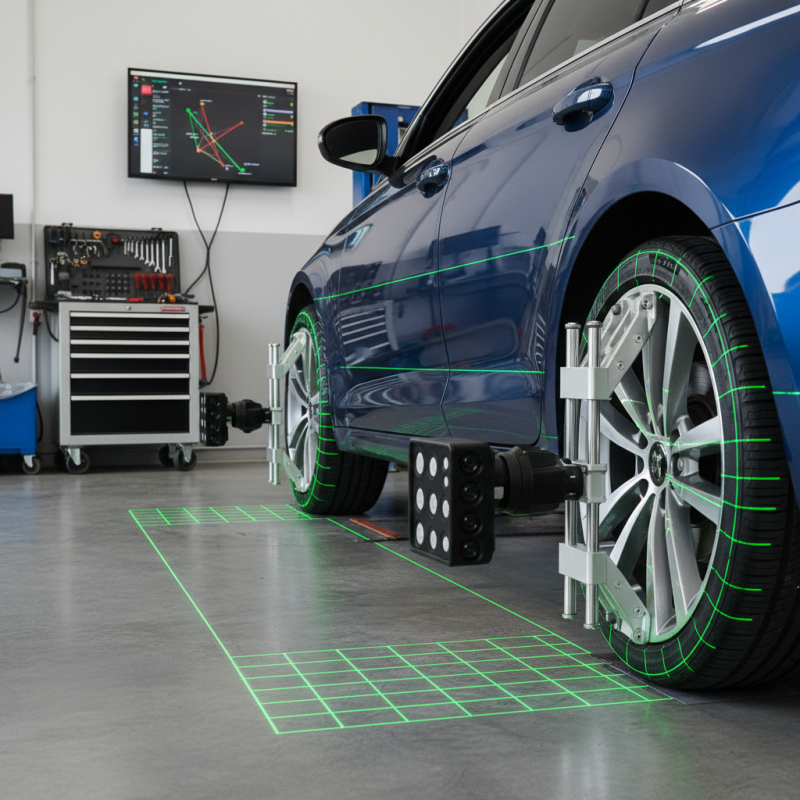
The process begins with placing targets on the vehicle's wheels. Sensors capture data in three dimensions. The real-time analysis provides immediate feedback. According to industry reports, a well-aligned vehicle can enhance fuel efficiency by up to 10%. Misalignment can lead to uneven tire wear. This increases costs and may compromise safety.
While the benefits are clear, many vehicle owners overlook regular alignments. A study revealed that about 35% of vehicles on the road have misaligned wheels. This can affect handling and ride comfort. Regular 3D alignments not only improve performance but also extend tire lifespan. Ignoring this can mean costly repairs down the line.
What is 3D Wheel Alignment and Why is it Important?
| Dimension | Measurement | Importance |
| Camber Angle | 0.5° to 1.5° | Affects tire wear and handling |
| Toe Angle | 0.1" to 0.2" | Influences steering stability |
| Caster Angle | 2° to 6° | Critical for vehicle control |
| Thrust Angle | 0° | Ensures vehicle tracks straight |
| Steering Axis Inclination | 10° to 12° | Affects steering feel and handling |
The Basic Principles of 3D Wheel Alignment Technology
3D wheel alignment is a cutting-edge technology in the automotive world. It measures the angles of the wheels accurately. This helps in ensuring that all four wheels are aligned correctly. Proper alignment is essential for vehicle performance and safety.
In essence, 3D wheel alignment uses digital sensors and cameras. These devices detect the wheel angles in real time. The process is quick and efficient. The technician can see any misalignment that might affect driveability. If not addressed, misalignment can lead to uneven tire wear. It also impacts fuel efficiency.
Tips: Regular checks can prevent issues. Aim to have your alignment done every 10,000 miles or when you notice changes. Look for signs like your vehicle pulling to one side. Small misalignments can turn into costly repairs if ignored.
Investing time in understanding this technology goes a long way. Misalignment occurs due to bumps and potholes. Being mindful can save money and keep your vehicle running smoothly. Remember, taking care of your vehicle is a continual process. Be aware of your driving conditions too. They can significantly affect your wheel alignment.
Key Components Involved in 3D Wheel Alignment
3D wheel alignment is a precise method for adjusting vehicle wheels. Several key components play crucial roles in this alignment process.
The first component is the wheel sensors. These sensors track the angle of each wheel. They send data to the computer system, providing real-time information. Accurate readings are vital for achieving proper alignment. If sensors are faulty or miscalibrated, the results can be skewed.
Another important element is the alignment machine itself. This advanced equipment measures angles like camber, caster, and toe. Adjusting these angles is essential for optimal vehicle performance. A machine that is not well-maintained can lead to misalignment, causing uneven tire wear and impacting handling.
Lastly, the technician's expertise significantly influences the outcome. Even with the best tools, a lack of skill can result in errors. Proper training is essential. Misalignment issues might arise if an inexperienced technician performs the adjustment. Each component must work together seamlessly for effective 3D wheel alignment.
3D Wheel Alignment: Key Metrics Analysis
Importance of Proper Wheel Alignment for Vehicle Performance
Proper wheel alignment plays a crucial role in vehicle performance. When the wheels are correctly aligned, they face the right direction. This ensures better handling and stability. A well-aligned vehicle responds more predictably to steering input. Drivers experience smoother rides and improved safety on the road.
Misalignment can lead to uneven tire wear. This not only shortens tire lifespan but also affects fuel efficiency. If you notice your vehicle pulling to one side, it may be a sign of poor alignment. Ignoring this can worsen the problem. Regular checks can prevent costly repairs later. A simple alignment often solves handling issues.
Inaccurate alignment can impact braking efficiency. When wheels aren’t aligned, braking distances may increase. This could pose a danger in emergencies. Even minor misalignment requires attention. Investing time in regular alignment checks enhances overall performance and safety. A proactive approach can make a noticeable difference.
Common Misconceptions About 3D Wheel Alignment
3D wheel alignment is often misunderstood. Many vehicle owners think it's just an optional service. However, neglecting proper alignment can lead to significant issues. According to industry reports, misaligned wheels can reduce fuel efficiency by up to 10%. This is crucial, as every ounce of efficiency counts today.
Another common misconception is that 2D alignment is just as effective as 3D. While both methods aim to adjust wheel angles, 3D alignment provides more precise measurements. It uses advanced technology to capture data accurately. A study indicated that vehicles using 3D alignment experienced a 15% lower tire wear rate compared to those with 2D alignment.
Tips: Regularly check your tire pressure. Under-inflated tires can exacerbate alignment issues. Also, consider getting an alignment after major repairs. Finally, listen for unusual noises; they may indicate alignment problems. Regular assessments can save money in the long run, but many overlook this. Don't let misconceptions lead to costly mistakes.