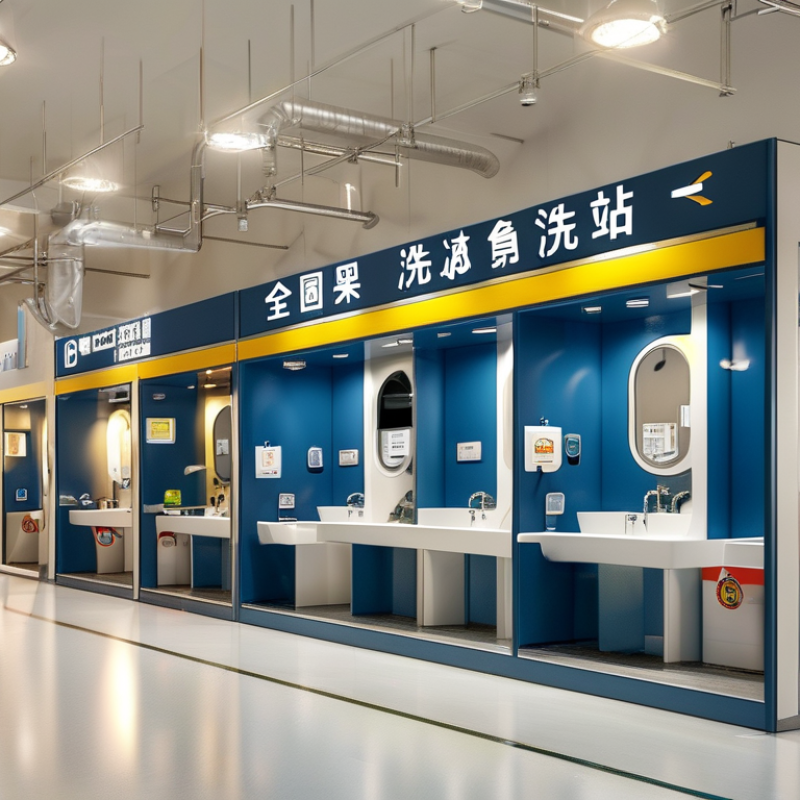
Best First Aid Eye Wash Station for Global Buyers?
In various workplaces, a First Aid Eye Wash Station is essential for ensuring safety. Injuries to the eyes can occur suddenly. This makes it crucial to have immediate access to proper eye wash facilities.
When selecting a First Aid Eye Wash Station, consider the location and accessibility. It should be easy to find during emergencies. Many stations offer features like a padded basin. This enhances comfort for the injured person.
Despite advancements in eye wash technology, some products may not meet safety standards. Researching reliable suppliers is vital. Buyers must evaluate quality to make informed decisions. Investing in a certified eye wash station can save lives.
Factors to Consider When Choosing an Eye Wash Station
Choosing the right eye wash station requires careful consideration. One must evaluate the specific requirements of the work environment. Locations with hazardous materials need higher safety standards. Look for stations that provide immediate access to eye wash solutions.
Water quality is crucial. Ensure the water used in the station meets safety regulations. Flushing mechanisms should function smoothly. Think about how often these stations will be used. Maintenance is necessary. Regular testing of water temperature and cleanliness can prevent issues.
Placement is key. Eye wash stations should be visible and easily reachable. Analyze the layout of your workspace. If an emergency occurs, seconds matter. Evaluate training needs for employees as well. Regular drills and proper education can save lives. Reflect on the balance between regulations and practical usability. Each environment may require unique features in an eye wash station.
Best First Aid Eye Wash Station for Global Buyers
Regulatory Standards for Eye Wash Stations Worldwide
Eye wash stations are critical for workplace safety. Various regions enforce distinct regulations. Understanding these standards is vital for global buyers. The Occupational Safety and Health Administration (OSHA) in the United States mandates that eyewash stations be accessible within a 10-second response time for employees. This guideline emphasizes the necessity of quick access during emergencies.
In Europe, the EN 15154 standard governs eye wash stations. This standard specifies the design, testing, and use of such stations to ensure effectiveness. Specific requirements include the flow rate and temperature of the water. Stations must operate well and be properly maintained. Regular checks enhance reliability. Employers must evaluate if their stations meet these requirements.
Challenges often arise when meeting various regulations across countries. Buyers need to stay informed about shifting standards. Some may overlook critical details, leading to non-compliance. It’s crucial to invest time in understanding regulatory differences. This knowledge ensures that eye wash stations serve their purpose effectively. Preparing for these challenges can ultimately improve workplace safety.
Types of Eye Wash Stations Available in the Market
When selecting an eye wash station, understanding the different types available is essential. Various designs cater to specific needs. For workplaces, portable stations offer flexibility. They can easily be moved to different locations, providing immediate access in emergencies.
Plumbed stations are ideal for areas with a consistent risk of eye injuries. They connect directly to water sources, ensuring a continuous flow during use.
Another option is gravity-fed eye wash stations. These units don't require plumbing and store water in a tank. They are perfect for remote locations. The tank keeps water clean and ready for use. Users should regularly check maintenance guidelines. This ensures that the stations function effectively.
Tips: Always verify that an eye wash station meets safety standards in your region. Training employees on how to use these stations can save time in emergencies. Regular drills help reinforce proper usage. Remember, a well-chosen eye wash station can make a significant difference in an emergency situation. The wrong choice may lead to inadequate treatment. Stay informed and make decisions based on reliability and effectiveness.
Installation and Maintenance Tips for Eye Wash Stations
When it comes to eye wash stations, installation and maintenance are crucial for safety. According to the American National Standards Institute (ANSI), the ideal eye wash station should be easily accessible and installed within 10 seconds of a hazardous workplace area. This accessibility ensures prompt treatment in emergencies, reducing the risk of serious eye injuries.
Routine maintenance is essential. Inspecting the station weekly can prevent many common failures. This includes checking the water flow and ensuring that no obstructions block access. Reports indicate that around 20% of all eye wash stations fail due to neglect in maintenance. Keeping the station clean and functional is not just a best practice; it's a legal requirement in many industries.
Consider the water quality as well. Stagnant water can lead to contamination. Flushing the system for a few minutes once a week is advisable to maintain water quality. Installing a reliable alarm system can alert workers to any malfunction. Balancing these responsibilities with everyday demands often leads to overlooking critical aspects of care. Review processes regularly; every small detail counts in enhancing overall safety.
Top Brands and Models of Eye Wash Stations for Safety Compliance
Selecting the best eye wash station involves understanding safety requirements. Eye wash stations are critical in workplaces where hazardous materials are used. They must meet safety standards to ensure effective emergency response. Consider factors like water flow rate and accessibility when choosing.
Top models often feature durable materials and quick activation systems. The water source should remain free from contaminants. Regular maintenance is essential. Many facilities overlook this. It's crucial to test functionality weekly. Ensure compliance with local regulations when installing eye wash stations.
Some users might find maintenance challenging. They may neglect to train staff on proper usage. This oversight could lead to complications during emergencies. Regular training and audits can help improve safety compliance. Encourage a culture of safety awareness in your workplace. This proactive approach can save lives.
Best First Aid Eye Wash Station for Global Buyers
| Model | Water Capacity (Gallons) | Installation Type | Compliance Standards | Price Range (USD) |
| Portable Eye Wash Station | 15 | Portable | ANSI Z358.1 | 150 - 300 |
| Wall Mounted Eye Wash | 2.5 | Wall Mounted | ANSI Z358.1 | 100 - 200 |
| Combination Shower and Eye Wash | 20 | Combination | ANSI Z358.1 | 400 - 800 |
| Floor Mounted Eye Wash | 10 | Floor Mounted | ANSI Z358.1 | 200 - 400 |
| Self-Contained Eye Wash Station | 12 | Standalone | ANSI Z358.1 | 250 - 500 |