How to Choose the Right Switchgear Production Line for Your Needs?
In today's rapidly evolving electrical industry, selecting the right Switchgear Production Line is crucial for both operational efficiency and safety. According to a report by Allied Market Research, the global switchgear market is projected to reach $240 billion by 2027, driven by increasing demand for renewable energy sources and smart grid technologies. However, not all production lines are created equal. Variations exist in technology, automation, and production capacity.
Choosing the right production line involves more than just evaluating costs. Companies must assess their specific requirements, such as the types of switchgear they intend to manufacture and the volume of production. Reports from industry experts, like those from Research and Markets, indicate that manufacturers are increasingly focusing on customization to meet diverse client needs. Additionally, a well-designed production line can reduce lead times and waste, amplifying overall productivity.
Yet, companies may face challenges, including balancing quality and efficiency. Despite advances, some production lines may still encounter issues with scalability and flexibility. Understanding these factors is essential for making informed decisions. In an era where every detail counts, the choice of a Switchgear Production Line could very well define a company’s competitiveness in the marketplace.
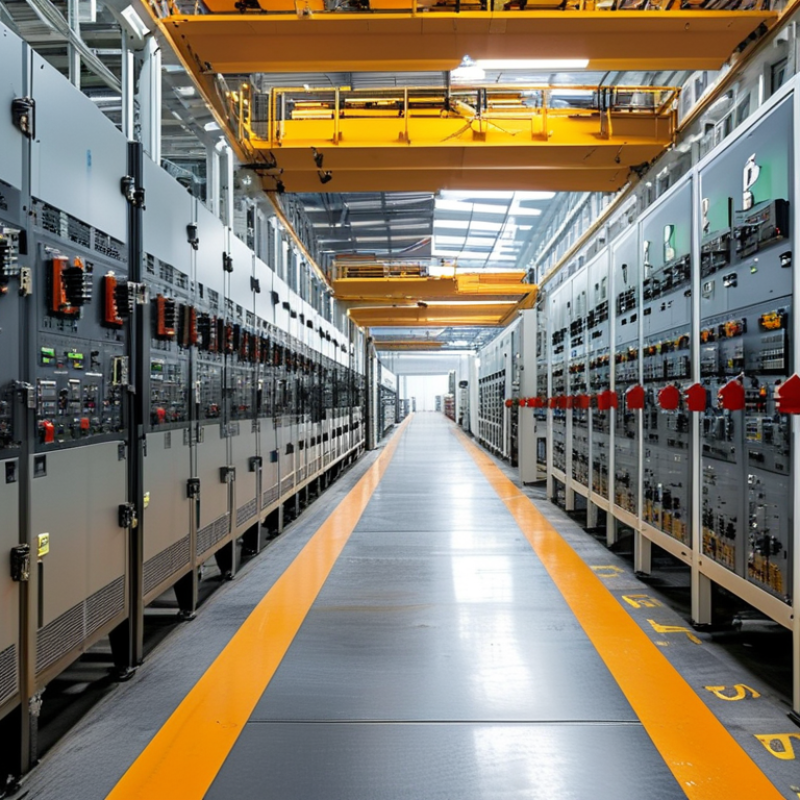
Factors to Consider When Selecting a Switchgear Production Line
When selecting a switchgear production line, several factors play a crucial role. Understanding your specific needs is the first step. Consider the capacity of the line. Will it meet your current demand? Assess future growth as well. Investing in a line that cannot scale might hinder progress. Evaluate the flexibility of the equipment. Different applications require adaptability. A versatile production line can save costs long-term.
Quality and reliability are paramount. Research manufacturers thoroughly. Check for certifications and industry standards. Don’t overlook after-sales support. Effective communication with the supplier is vital. It helps in troubleshooting and maintenance. Also, consider technology integration. Automation enhances efficiency and reduces errors. A balance between advanced features and ease of use is ideal.
Budget constraints are real. While high-quality equipment is essential, costs should be manageable. A more expensive line may not always be the best choice. Analyze the total cost of ownership, including maintenance and energy consumption. It's easy to focus on initial pricing, but the long-term implications can be significant. Take time to reflect on all these aspects before finalizing your decision.
Types of Switchgear Production Lines and Their Applications
When selecting a switchgear production line, it’s crucial to understand the types available. There are primarily three categories: air-insulated switchgear (AIS), gas-insulated switchgear (GIS), and hybrid systems. AIS is often used for lower voltage applications. According to a 2022 report by Research and Markets, this type holds approximately 40% of the market share due to its cost-effectiveness.
GIS systems are preferred for high-voltage applications. Their compact design reduces space requirements. The same report noted that GIS technology is growing at a rate of 8% annually. This growth reflects the increasing demand for reliable and efficient energy distribution in urban areas. Hybrid systems combine the best features of AIS and GIS. They are ideal for specific applications requiring flexibility and efficiency.
Choosing the right switchgear production line should consider factors such as the environment and load requirements. Each type has its limitations. For instance, AIS can be more vulnerable to environmental conditions. GIS offers reliability but can be more expensive. It's essential to weigh these factors carefully for optimal performance.
Assessing Production Capacity and Scalability Needs
When selecting a switchgear production line, assessing production capacity and scalability is crucial. It’s essential to match your current needs with future demands. For example, consider your expected output volumes. If your market is growing, ensure your production line adapts easily. Equipment that can adjust to increasing demands can prevent bottlenecks and downtime.
Evaluate the specifications of various production lines. Typically, lines offer different capacity ranges. Choosing a line with too low a capacity might hinder your growth. Conversely, overestimating your needs can lead to unnecessary expenses. Analyze trends in your industry. Are there upcoming projects that might require more output? Listening to client feedback also helps gauge future needs.
Flexibility is another vital aspect. The best production line allows for adjustments in volume and product variety. This adaptability can make or break your competitiveness. However, don’t overlook potential challenges. Upgrading your production line may require training staff or additional investment in machinery. Balancing immediate needs with long-term aspirations is often tricky, but vital for success.
Production Capacity and Scalability of Switchgear Production Lines
Understanding Compliance and Quality Standards for Switchgear
Compliance and quality standards play a crucial role in the switchgear production industry. With the global market expected to reach $113.2 billion by 2026, understanding these standards becomes essential. Manufacturers must ensure their products meet international standards such as IEC 62271 and ANSI C37. This not only facilitates market access but also builds trust with customers.
Quality assurance is a multi-faceted process. It encompasses testing, certification, and documentation. Each product undergoes rigorous evaluation to verify its performance. For instance, a recent report by MarketsandMarkets highlighted that 60% of companies struggle with compliance documentation, which can lead to costly penalties. Non-compliance can also damage a brand's reputation.
Selecting a production line requires careful consideration of these standards. Many factors influence the choice, such as capacity, technology, and assembly methods. A manufacturing line that lacks proper quality controls may produce unreliable products. Regular audits and continuous improvement should be integral parts of any production line strategy. Ignoring these factors can lead to significant operational inefficiencies and impacts on safety.
Budgeting and Cost Analysis for Your Switchgear Production Line
Choosing the right switchgear production line involves careful budgeting and cost analysis. It’s essential to understand the initial investment and ongoing operating costs to ensure a good return on investment. A well-structured budget can help prevent unexpected expenses down the line.
When assessing costs, include equipment purchase, installation, and maintenance. Don’t overlook utilities or labor costs. These can add up and impact your overall budget significantly. Break down your budget into clear categories. This can bring transparency and help identify potential savings.
Tips for budgeting effectively:
- Research thoroughly to get realistic cost estimates.
- Involve professionals to gain insights into hidden costs.
- Keep a contingency fund for unexpected expenses.
Flexible budgeting is beneficial. As operations grow, your needs may change. Be prepared to adjust your budget accordingly. Always reflect on your previous decisions.
Learning from past budgeting experiences can enhance future planning.