How to Choose the Right DC Isolation Switch for Your Needs?
Choosing the right DC Isolation Switch is crucial for any electrical system. These switches ensure safety and proper operation of DC circuits. However, many users find the selection process challenging. With various options available, it’s easy to feel overwhelmed.
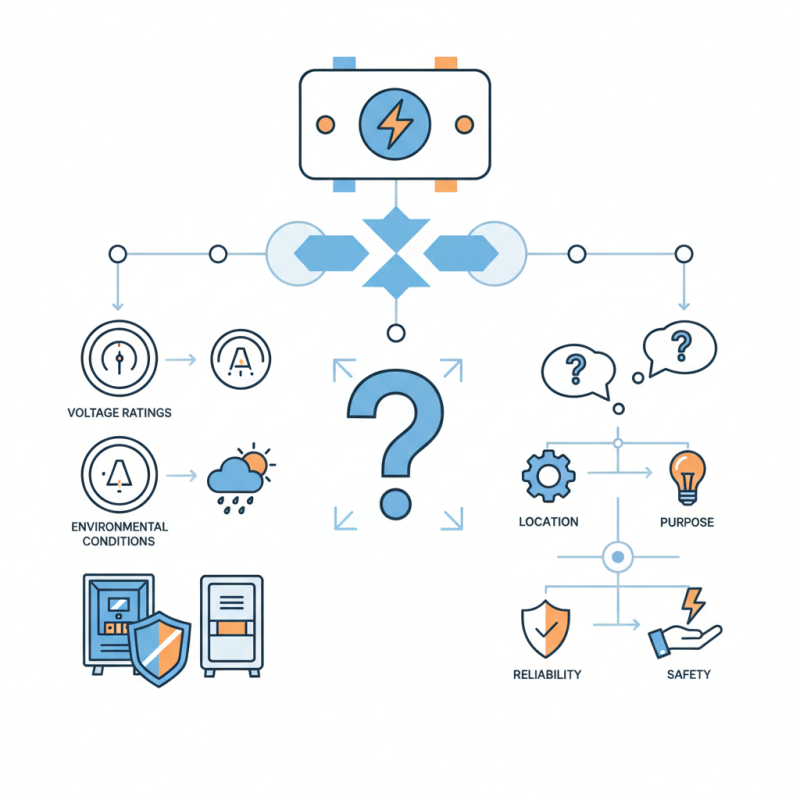
A suitable DC Isolation Switch should meet specific needs. Factors such as voltage ratings, current capacity, and environmental conditions must be considered. For example, outdoor installations require switches that can withstand weather conditions. Not all switches are suitable for every application, and misunderstandings can lead to unsafe scenarios.
Reflecting on your requirements is vital. Consider the location and purpose of the installation. There might be less known brands or features that match your needs better than more popular choices. Making an informed decision means understanding your unique situation and preferences. By carefully evaluating these elements, you can select a DC Isolation Switch that enhances your system's reliability and safety.
Understanding the Functionality of DC Isolation Switches
DC isolation switches are crucial for safely managing electrical circuits. They ensure that circuits can be de-energized for maintenance without risk. These switches can handle high currents and voltages, making them essential for solar power systems and industrial applications. A recent report from the International Electrotechnical Commission noted a 25% increase in DC switch usage, highlighting their growing importance in renewable energy sectors.
When selecting a DC isolation switch, consider the specific requirements of your application. Look for the switch's voltage and current ratings. Higher ratings may be necessary for larger systems. Pay attention to environmental factors like temperature and humidity. These factors influence switch performance. Proper sealing and materials are crucial for longevity.
Tips: Always consult relevant guidelines. Testing under real conditions helps verify functionality and safety. Choose a switch that allows clear visible indication when in the ‘off’ position. It's vital to understand that errors in choosing the right switch can lead to severe consequences. Take time to analyze your needs. Evaluate multiple options. This step helps refine your selection process. Don't rush; a hasty choice can be costly.
Identifying Your Specific Application Requirements
Choosing the right DC isolation switch begins with understanding your specific application needs. Think about the voltage and current levels your system will operate under. This will help you determine the electrical ratings required for safe and optimal performance.
Next, consider the environment where the switch will be installed. For example, will it be subjected to dust, moisture, or extreme temperatures? A switch with proper enclosure ratings can prevent malfunction in harsh conditions. Reflect on the mechanical durability as well. Some applications demand switches that endure frequent operations without failure.
Lastly, assess your future needs. Do you expect system expansions or changes? Opting for a flexible design might save you from complications later on. Balancing these factors is not always straightforward, and it’s important to weigh them carefully. Remember, a poorly chosen switch can lead to downtime and safety hazards. Think thoroughly before making a decision.
Evaluating the Key Technical Specifications
Choosing the right DC isolation switch requires careful evaluation of technical specifications. Key factors include voltage rating, current capacity, and insulation resistance. According to a recent industry report, a switch's voltage rating should match or exceed system requirements to ensure safety. A switch with a lower voltage rating can lead to failures.
Current capacity is crucial for operational efficiency. For instance, a study found that switches with a higher current rating tend to perform better under load. These switches offer reduced heat generation and longer lifespan. However, one also needs to consider space limitations. Larger switches, while powerful, can be impractical for compact systems.
Insulation resistance is another critical spec. Poor insulation can result in significant energy losses and inefficiencies. Industry data suggests that switches with insulation resistance above 1 MΩ are ideal for most applications. However, users often overlook this detail. It's essential to balance between performance and practicality, ensuring the switch fits within your design without compromising safety or functionality.
How to Choose the Right DC Isolation Switch for Your Needs?
| Specification | Description | Importance |
| Voltage Rating | Maximum voltage the switch can handle. | Ensures compatibility with your system's voltage. |
| Current Rating | Maximum current the switch can carry. | Critical for performance and safety of the circuit. |
| Switching Capacity | Combined voltage and current rating. | Determines the load the switch can safely interrupt. |
| Installation Type | Type of installation: panel mount, DIN rail, etc. | Affects space and ease of installation. |
| Safety Ratings | Standards compliance for safety and reliability. | Ensures the switch meets necessary safety standards. |
| Environmental Ratings | Resistance to dust, humidity, and temperature. | Critical for outdoor or harsh environment applications. |
Comparing Different Types of DC Isolation Switches
When selecting a DC isolation switch, it’s essential to understand the various types available. The most common types include manual switches, automatic switches, and smart switches. Manual switches require physical interaction to operate. They offer simplicity but may not be convenient in all situations. Automatic switches provide remote operation, enhancing usability. Smart switches integrate with home automation systems, adding functionality.
Tips: Consider your specific needs. If you often operate under varying conditions, an automatic switch may suit you better. Safety features are crucial, especially in environments with high voltages. Choose a switch that can handle your system's requirements.
Evaluating your current setup also matters. A mismatch in specifications can lead to operational failures. For example, ensure that the switch's voltage rating aligns with your equipment. Reflect on how frequently you need to engage the switch. Overuse of manual switches might lead to wear and tear. Balancing convenience with durability is key.
Assessing Compliance and Safety Standards for Your Selection
When selecting a DC isolation switch, compliance with safety standards is critical. These standards ensure proper functioning and risk mitigation. The International Electrotechnical Commission (IEC) and Underwriters Laboratories (UL) set benchmarks for electrical equipment. Meeting these standards reflects a commitment to safety and reliability. According to industry reports, about 30% of electrical failures stem from inadequate isolation practices.
Understanding the specific safety requirements for your application is key. Whether it's for renewable energy systems or industrial automation, each scenario has unique challenges. The National Fire Protection Association (NFPA) emphasizes the importance of having equipment that meets local codes. Non-compliance can lead to significant legal and financial repercussions.
Installation practices also matter. Many installers overlook critical aspects like grounding and environmental conditions. Such oversights can affect safety and efficiency. While most switches boast certifications, poor installation can undermine their effectiveness. Strive for a thorough review of both equipment and practices to avoid regrets later. Proper adherence to safety standards not only safeguards equipment but also protects personnel.
DC Isolation Switch Compliance and Safety Standards