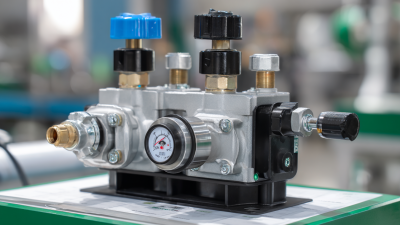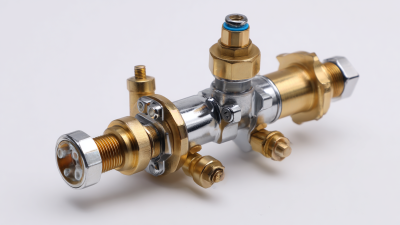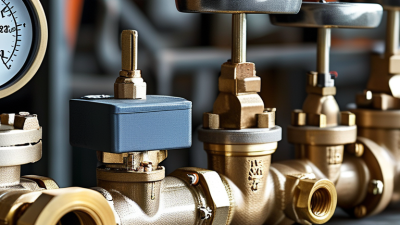

Choosing a high pressure regulator in 2026 requires more than comparing prices or browsing attractive product photos. The correct model must match the gas, inlet pressure, outlet range, flow demand, temperature, and connection standard. A regulator designed for nitrogen service may perform poorly with oxygen, hydrogen, corrosive gases, or reactive mixtures. Small mismatches can cause pressure drift, unstable flow, seal damage, or unsafe equipment operation.
Details matter.
A reliable selection process starts with verified data from the manufacturer, not assumptions from a general catalog. Check the maximum inlet pressure, adjustment range, Cv value, materials, diaphragm design, leak rate, and recommended maintenance interval. Confirm whether the unit needs a relief valve, filter, shutoff device, or two-stage control. In a laboratory, a clean stainless-steel body and precise adjustment may be essential. On an industrial line, vibration resistance, temperature tolerance, and serviceability may matter more. The installation environment should also be reviewed, including outdoor exposure, limited space, frequent cylinder changes, and operator access.
Safety standards and third-party testing deserve careful attention. However, certification labels alone do not prove that a regulator suits your complete system. Review technical files, pressure-test records, compatibility statements, and qualified engineering advice. This guide examines practical criteria for selecting a high pressure regulator in 2026, while recognizing that real installations are rarely perfect. Specifications can be incomplete. Operating conditions can change. A cautious decision leaves room for verification, inspection, and adjustment before full service begins.
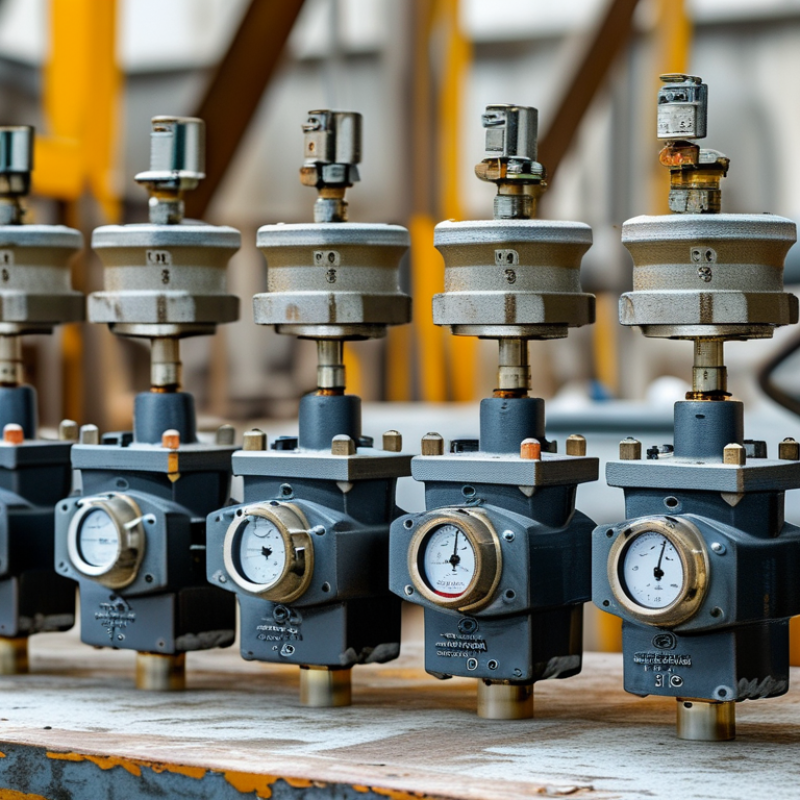
Define the operating duty before comparing regulator models. Record the exact gas, not merely “industrial gas.” Oxygen can accelerate ignition, hydrogen can permeate unsuitable materials, and corrosive gases may damage wetted parts. The International Energy Agency’s Global Hydrogen Review 2024 projects announced low-emissions hydrogen projects could reach about 49 million tonnes annually by 2030. That growth makes material compatibility and leak control more important, not less. Confirm clean-service requirements, seal materials, connection standards, and temperature limits with qualified engineers.
Measure the highest and lowest inlet pressures, including cylinder changeover spikes. Then define the outlet setpoint under real flow, not only at zero demand. A regulator set to 10 bar at idle may fall noticeably when a burner, test rig, or manifold opens. State normal, minimum, and peak flow in standard units, such as Nm³/h or SCFH. The U.S. Energy Information Administration’s Annual Energy Outlook reports continued large-scale natural-gas consumption in industrial applications, where unstable pressure can affect combustion and process control. Small details matter.
Use the manufacturer’s flow curves, not just the catalog maximum. A 100 Nm³/h rating may apply at a specific inlet pressure and pressure drop. I have seen selections fail because those conditions were overlooked. Allow sensible capacity margin, but avoid excessive oversizing; it can reduce adjustment stability. Recheck the calculation after installation. Real piping losses are often less predictable than the spreadsheet.
Choosing a high-pressure regulator in 2026 starts with the pressure class, not the catalog price. A 3,000 psi regulator suits systems whose maximum working pressure stays comfortably below 3,000 psi. A 6,000 psi model provides more margin for demanding gas or hydraulic service. The 10,000 psi class serves severe duty, compact high-pressure equipment, and specialized test work. Higher rating does not mean better control. It can mean more cost, weight, and adjustment effort.
Check both inlet and outlet limits. The regulator must handle peak inlet pressure, not only normal pressure. Then match the outlet range to the process requirement. A 10,000 psi inlet rating cannot make a 2,000 psi outlet setting safe without downstream protection. Relief devices, gauges, tubing, and fittings must share suitable ratings. One weak component can define the whole system. It is an easy detail to miss.
During selection, review temperature, media compatibility, flow demand, and pressure droop. At a test bench, a regulator may hold pressure at low flow but fall when a valve opens. Ask for flow curves, seat materials, leak-test data, and calibration procedures. Verify thread types and installation direction before commissioning. I have seen pressure classes chosen correctly, yet poor sizing caused unstable readings. My first estimate was too optimistic. Rechecking peak pressure and required flow would have prevented that mistake. Choose the lowest class that safely covers real conditions, with documented margin rather than guesswork.
How to Choose a High Pressure Regulator in 2026?
Size the Cv: Match Peak Flow, Minimum Flow, and Acceptable Droop
Choosing a high pressure regulator starts with the real operating range, not the largest pipe size. Calculate the required Cv at peak flow, using inlet pressure, outlet pressure, temperature, gas density, and compressibility. A regulator that handles the maximum demand may still control poorly at low demand. Excessive capacity can cause hunting, unstable pressure, or slow response. Define the minimum flow clearly. Then compare the predicted pressure droop across the entire range.
Field experience shows that datasheet values are only part of the decision. Pipe friction, changing inlet pressure, and short demand spikes can alter performance. I have seen systems sized from average flow that failed during morning startup. That mistake was avoidable. Test the selected Cv against peak, normal, and minimum conditions. Leave a practical margin, but avoid oversized capacity without evidence.
Tips: Record actual flow readings over several operating cycles. Ask for droop curves at your pressure and temperature conditions. Check whether the published Cv uses the same flow units as your calculation. A spreadsheet may look precise while hiding uncertain inputs. Review those assumptions with a qualified engineer. If minimum flow is extremely low, consider staged control or a smaller trim. Monitor outlet pressure during startup and sudden load changes. That data can challenge your original sizing.
In 2026, selecting a high-pressure regulator starts with the fluid, pressure cycle, and temperature. The IEA’s Global Hydrogen Review 2024 reported nearly 100 million tonnes of hydrogen demand in 2023. That scale increases the need for traceable materials and disciplined maintenance. For hydrogen, oxygen, and corrosive process gases, 316L stainless steel contains approximately 2–3% molybdenum and low carbon. These properties help resist localized corrosion and weld sensitization. They do not guarantee universal safety. Chlorides, poor welding, contamination, and repeated pressure cycling still create risks. Request heat numbers, surface-finish records, and pressure-test evidence. Real systems are messier.
Elastomers deserve equal attention. A regulator may have excellent metal parts yet leak through a hardened seal. Choose the compound against gas compatibility, pressure drop, temperature range, and decompression exposure. The U.S. Department of Energy identifies 350-bar and 700-bar storage as common compressed-hydrogen pressure levels. Seals must match the actual pressure reduction, not only the inlet rating. A seal rated for 150°C may degrade sooner during rapid decompression or repeated cycling. Published limits can be incomplete. I would request test curves, aging data, and low-temperature results. ISO 23936-2 provides useful elastomer compatibility guidance for oil and gas applications, but system-specific validation remains necessary. Do not guess. Recheck the startup temperature.
| Component or Material | Typical Continuous Temperature Range | Main Advantages | Suitable Media or Service | Important Limitations | Selection Guidance |
|---|---|---|---|---|---|
| 316L Stainless Steel Wetted Body | Approximately −196°C to +400°C for many engineered services | High corrosion resistance, good strength, low carbon content, and suitability for many high-purity applications | Compressed gases, oxygen-compatible designs, corrosive process gases, laboratory systems, and cryogenic service when properly specified | Chloride-rich environments may cause pitting or stress-corrosion cracking; the complete regulator rating may be lower than the metal’s temperature capability | Use when corrosion resistance, cleanliness, or broad temperature capability is more important than minimum initial cost |
| 316L Stainless Steel Diaphragm or Seat Retainer | Typically −196°C to +400°C, subject to design and surface finish | Low permeability, strong fatigue resistance, and good compatibility with high-purity gases | High-cycle pressure regulation, analytical gases, semiconductor-related gas systems, and demanding industrial service | Metal-to-metal designs may have higher leakage requirements and may require careful surface finishing and alignment | Prefer a metallic diaphragm when minimizing permeation and elastomer contamination is critical |
| NBR (Nitrile Rubber) Seal | Approximately −30°C to +100°C | Good resistance to mineral oils, fuels, and many hydraulic fluids; economical and widely available | Oil-based gases and hydraulic or pneumatic systems within the compound’s compatibility range | Limited resistance to ozone, weathering, aromatic solvents, and some oxidizing gases | Choose for moderate-temperature oil service when oxygen and aggressive chemical compatibility are not primary concerns |
| EPDM Seal | Approximately −50°C to +150°C | Excellent resistance to hot water, steam, ozone, and weathering | Water, steam, glycol-based fluids, and selected polar chemicals | Generally unsuitable for petroleum oils, mineral oils, and many hydrocarbon fuels | Select for water, steam, and outdoor exposure after confirming the exact fluid and pressure conditions |
| FKM Seal | Approximately −20°C to +200°C | Good high-temperature performance and strong resistance to many oils, fuels, and hydrocarbons | Hydrocarbon gases, fuels, oils, and elevated-temperature industrial service | Low-temperature flexibility can be inadequate; compatibility with hot steam, strong bases, and certain amines must be checked | Use when oil or fuel resistance and higher operating temperature are required, but verify low-temperature startup conditions |
| PTFE Seat or Seal | Approximately −200°C to +260°C, depending on grade and load | Broad chemical resistance, very low friction, and useful performance across a wide temperature range | Aggressive chemicals, high-purity gases, cryogenic applications, and fluids incompatible with many rubber compounds | Creep, cold flow, and reduced dimensional stability can affect shutoff and control under high load | Choose when chemical resistance is more important than elastic recovery; verify seat loading and pressure-cycle requirements |
| Metal-to-Metal Sealing | Potentially suitable from cryogenic temperatures to several hundred degrees Celsius | Very low permeation, no elastomer aging, and good suitability for extreme temperatures | High-purity gases, vacuum-related service, cryogenic systems, and high-temperature applications | More sensitive to surface damage, particles, alignment, and installation torque; shutoff may not equal soft-seat performance | Select when permeation, contamination, or elastomer temperature limits cannot be accepted |
Choosing a high-pressure regulator in 2026 requires more than matching inlet and outlet pressure. Protection deserves equal attention. Check the relief setting against the weakest downstream component, not only the regulator’s catalog rating. A pressure gauge should make abnormal readings visible. Small details matter.
A practical inspection starts with the expected operating pressure, temperature, flow range, and possible blockage conditions. Confirm whether the relief device vents safely and resets correctly. Many specifications mention 1.5× proof testing, but that value is not automatically suitable for every assembly. Verify the test pressure, hold time, and acceptance criteria with the applicable standard and manufacturer documentation. Testing beyond a component’s approved limit can create damage instead of confidence.
Standards must match the service and jurisdiction. Depending on the installation, review requirements from ISO 4126, ASME B31.3, API 520, or relevant pressure-equipment regulations. These references do not replace engineering judgment. Check material compatibility, seal performance, and fatigue exposure under repeated pressure cycles. Record calibration dates and test results. Keep the paperwork readable.
One point is often missed. A relief setting that looks correct during a workshop test may shift after transport, vibration, or thermal cycling. Recheck it in service when possible. I would also question any design that relies on a single protective layer. Redundancy costs space, but an unnoticed failure costs more.