


2026 How to Choose the Right Water Pressure Regulator Valve for Your Home?
Choosing the right water pressure regulator valve for your home is essential for maintaining a stable water supply. These valves control the water pressure from the main line, ensuring it doesn’t damage your plumbing system or appliances. A correctly selected valve can help prevent leaks and reduce your water bill.
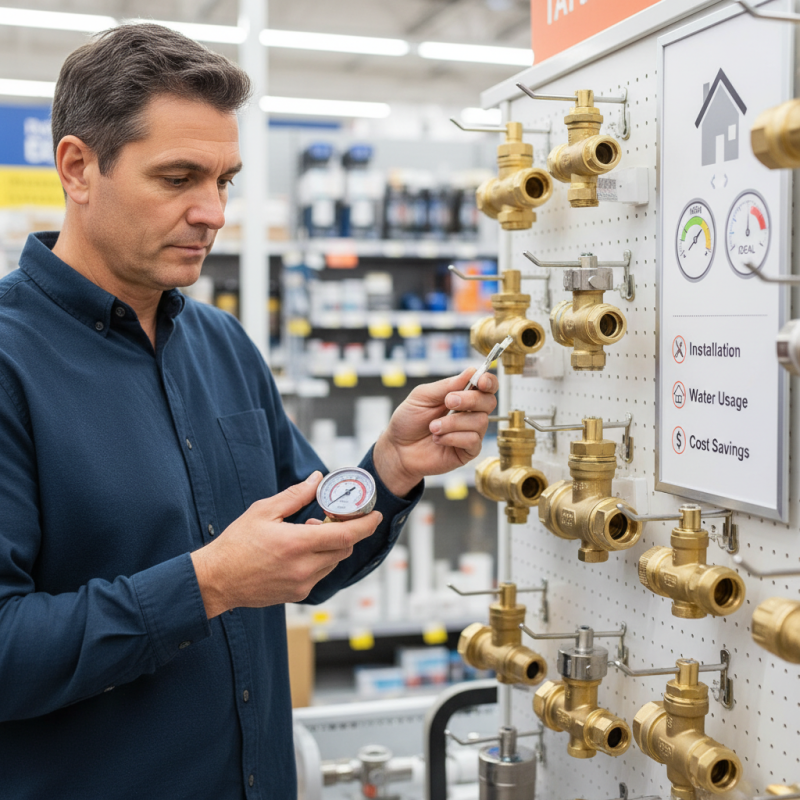
When selecting a water pressure regulator valve, consider your home's water pressure. Many homes face issues with high or fluctuating pressure. It’s important to measure your current pressure using a gauge. If the pressure is unusually high, a suitable regulator is necessary.
Reflect on your needs. A valve that suits one home may not work for another. Take into account the size of your plumbing system and water usage. Improper installation can lead to more problems. A wrong choice might cause fluctuating pressure, affecting daily routines. Ultimately, careful consideration will lead you to a better fitting water pressure regulator valve for your home.
Understanding Water Pressure and Its Importance in Your Home
Water pressure plays a crucial role in our daily lives. It affects everything from showering to watering the garden. According to the American Water Works Association, optimal household water pressure ranges from 40 to 60 psi. Too high pressure can cause leaks and damage fixtures. Low pressure can lead to inadequate flow for basic tasks.
When considering a water pressure regulator, understanding your home’s needs is key. High water pressure can stress pipes, leading to costly repairs. Think about the age of your plumbing. Older pipes may not handle high pressure well. It’s often recommended to have a regulator to balance the pressure.
Tips: Regularly check your water pressure using a gauge. This simple tool helps identify any issues early. If your pressure is consistently above 60 psi, it might be time for a regulator.
The effects of improper water pressure are tangible. For example, faucets may dribble under high pressure, wasting water. Additionally, appliances like washing machines can experience performance issues. Investing in the right regulator not only protects your home but also contributes to conserving water.
2026 How to Choose the Right Water Pressure Regulator Valve for Your Home?
| Feature | Importance | Recommended Range | Notes |
|---|---|---|---|
| Pressure Setting | Ensures consistent water flow and prevents damage | 40-60 PSI | High pressure can lead to leaks |
| Material | Durability and resistance to corrosion | Brass, Stainless Steel | Avoid plastic for long-term use |
| Connection Type | Compatibility with existing plumbing | Threaded, Slip-on | Ensure proper fit to avoid leaks |
| Flow Rate | Affects performance of fixtures | Up to 15 GPM | Check for specific fixture requirements |
| Size | Turns to control water pressure effectively | ¾” or 1” | Based on pipe size |
Related Posts
-
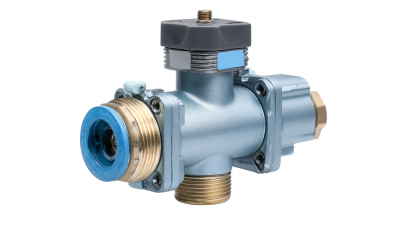
Embracing Industry 2025 Innovations for the Ultimate Water Pressure Regulator Valve Solutions
-
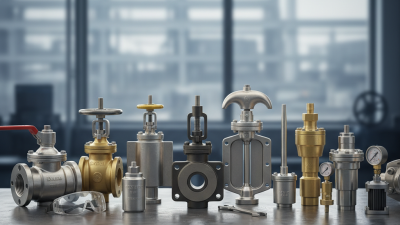
Top 10 Flow Control Valve Types and Their Applications?
-
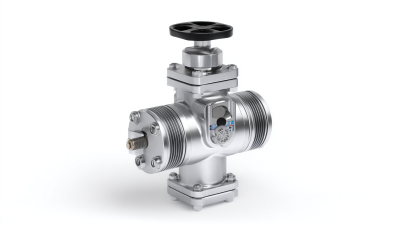
What is a Pressure Reducing Valve and How Does It Ensure System Efficiency
-

Innovative Solutions for Effective Temperature Control Valve Integration
-
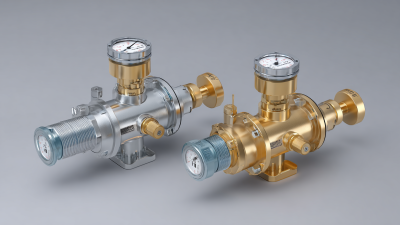
Leading the Global Market with China's Best Gas Pressure Regulator Innovations
-
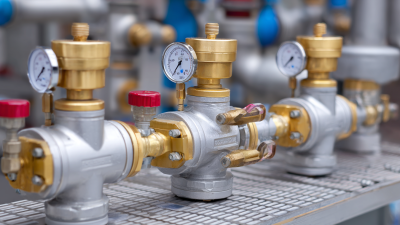
The Ultimate Guide to Choosing the Right Gas Pressure Regulator for Optimal System Performance