Why Choose a Compact Wheel Loader for Your Construction Needs?
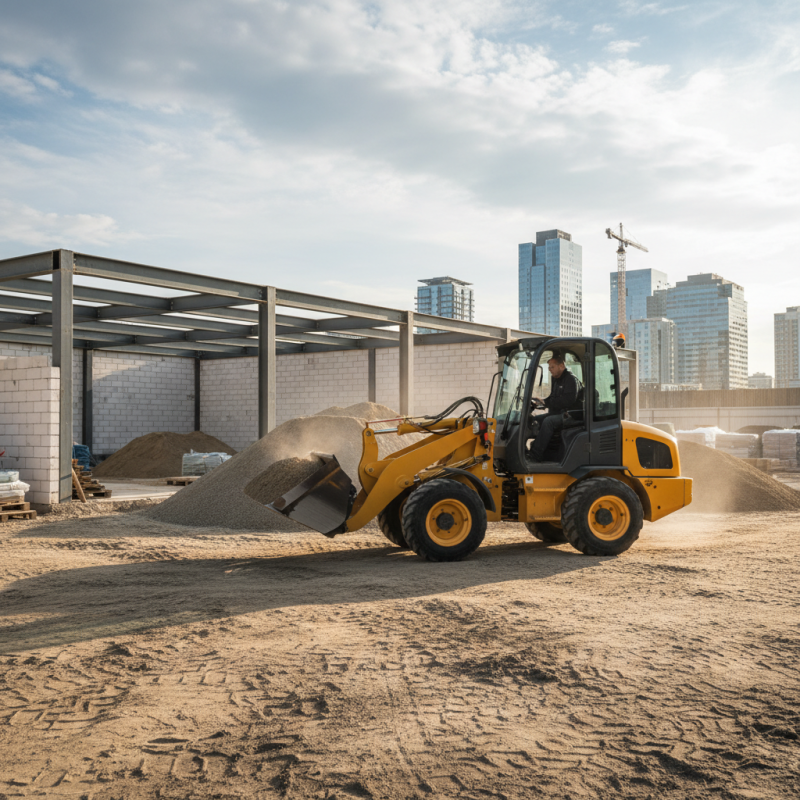
In the ever-evolving construction industry, selecting the right equipment is crucial. A Compact Wheel Loader stands out for its versatility and efficiency. Its small size allows it to navigate tight spaces while offering substantial power. Many construction sites have limited room to maneuver, making this machine a perfect fit.
Compact Wheel Loaders can perform various tasks, from loading materials to site preparation. Their agility makes them ideal for urban settings. However, this machine is not without challenges. Operators may need time to master its controls fully. Varied terrains can test its capabilities.
Choosing a Compact Wheel Loader involves weighing pros and cons. Cost efficiency is appealing, but maintenance should not be overlooked. Ensuring proper upkeep can maximize its lifespan. Reflecting on your specific needs will guide your decision to invest wisely in this essential construction tool.
Key Advantages of Compact Wheel Loaders in Construction Operations
Compact wheel loaders have gained traction in construction due to their unique advantages. According to the American Rental Association, compact machines account for nearly 25% of all construction machinery rentals. Their size allows them to operate in tight spaces, making them ideal for urban projects or projects on uneven terrain.
The versatility of compact wheel loaders is another significant benefit. They can perform various tasks, from lifting and moving materials to digging and grading. Research by Equipment Today highlights that these loaders can increase productivity by up to 30% in confined areas. However, it's essential to consider their limited capacity compared to larger machines. Sometimes, they might not suffice for heavy-duty tasks.
Moreover, operators notice that compact wheel loaders require less fuel. The U.S. Department of Energy reports that smaller engines consume 20-30% less fuel. This efficiency, while beneficial, also raises questions. Will the savings offset the potential need for more equipment? These considerations show that while compact wheel loaders excel in several aspects, they may not always be the ultimate solution for every job.
Why Choose a Compact Wheel Loader for Your Construction Needs?
| Advantages | Description |
| Compact Size | Easier maneuverability in tight spaces and crowded job sites. |
| Versatility | Can be equipped with various attachments for different tasks such as digging, hauling, and lifting. |
| Cost-Effectiveness | Lower purchase and maintenance costs compared to larger models. |
| Operator Comfort | Designed with ergonomic features to reduce operator fatigue during long working hours. |
| Fuel Efficiency | Smaller engines typically consume less fuel, leading to lower operational costs. |
| Accessibility | Easier to transport to different job sites due to their size and weight. |
| Safety Features | Equipped with modern safety features such as automatic brake systems and visibility enhancements. |
Versatility: Applications of Compact Wheel Loaders in Various Projects
Compact wheel loaders have become essential in various construction projects. Their versatility makes them an excellent choice for tasks ranging from landscaping to material handling. According to the World Construction Equipment Market report, compact wheel loaders are projected to grow by over 5% annually. This growth reflects their increasing adoption across multiple sectors.
In urban construction, compact wheel loaders excel in tight spaces. They can maneuver easily in residential areas. These loaders are ideal for transporting soil, sand, and gravel. Studies show they improve productivity by up to 20% compared to larger machines in confined areas. Their ability to switch attachments increases functionality. This adaptability is key on many job sites.
Despite their advantages, operators must be cautious. Compact loaders can be less stable than larger models. This stability issue is critical when handling heavy loads. Understanding weight distribution is vital to ensure safety. Recognizing these limitations allows for more informed decisions on equipment usage.
Fuel Efficiency and Cost-Effectiveness of Compact Wheel Loaders
In construction, fuel efficiency is crucial. Compact wheel loaders are designed to use less fuel compared to larger machines. This efficiency can lead to significant savings on operating costs. Many operators find these machines consume around 20-30% less fuel. In tight budgets, every drop counts.
Cost-effectiveness is another key advantage. Beyond fuel savings, compact wheel loaders require less maintenance. Their smaller size means fewer wear and tear issues. However, it’s essential to choose the right model for your specific tasks. Sometimes, you may realize that a compact machine lacks the power needed for heavy-duty tasks.
Choosing a compact wheel loader is not just about saving money. It's also about versatility. These machines can navigate tight spaces and excel in urban settings or small job sites. Yet, some operators may find their speed and lifting capacity limiting. Balancing cost, efficiency, and power is vital.
Space-Saving Benefits of Compact Wheel Loaders on Job Sites
Compact wheel loaders are becoming increasingly popular on job sites due to their space-saving abilities. In urban areas, construction sites often face tight constraints. According to a recent industry report, over 70% of construction projects operate in these challenging environments. Compact wheel loaders fit seamlessly into limited spaces, allowing for high efficiency without overcrowding.
One key benefit of these machines is their reduced footprint. The average compact wheel loader is about 25% smaller than traditional models. This size reduction leads to easier maneuverability, enabling operators to work quickly and safely. Alongside this, operators can navigate between tight spaces, which contributes to less damage and fewer disruptions on the job site.
However, choosing compact wheel loaders comes with challenges. While they excel in limited spaces, their smaller engines can result in reduced power compared to larger loaders. Some projects may require additional equipment for heavy tasks. Construction managers should evaluate the specific needs of each project. The duality of needing compactness and raw power must be balanced wisely. This consideration can influence overall productivity and efficiency on site.
Why Choose a Compact Wheel Loader for Your Construction Needs?
This chart illustrates the space-saving benefits of compact wheel loaders compared to traditional loaders in various construction tasks.
Operator Comfort and Safety Features of Compact Wheel Loaders
Operator comfort and safety are essential considerations when selecting a compact wheel loader for construction projects. A well-designed operator cabin enhances productivity. Spacious layout and adjustable seating are common features. This design allows operators to find their ideal working position, reducing fatigue during long shifts. Ergonomic controls also contribute to comfort. They allow for smooth operation and require less effort to maneuver.
Safety features cannot be overlooked. Compact wheel loaders often come with ROPS (Roll Over Protective Structures) to protect operators in case of accidents. Many models include advanced visibility options, such as large windows and rearview cameras. This improves sightlines and minimizes blind spots. Operators feel more secure and confident while working. However, the challenge remains to ensure that all operators follow safety protocols consistently.
Despite these advantages, not every operator may feel completely at ease. Some might find it hard to adjust to the controls or cabin layout. Training plays a crucial role here. Companies investing in comprehensive training programs can overcome this issue. A focus on continuous learning is vital. Enhancing comfort and safety features is ongoing. Regular assessments can identify areas for improvement. In this competitive market, every detail counts.