Top Gas Pressure Regulator Types You Should Know?
A gas pressure regulator is crucial in controlling gas flow. In various applications, these devices ensure safe and effective gas usage. Understanding the different types of gas pressure regulators can enhance efficiency.
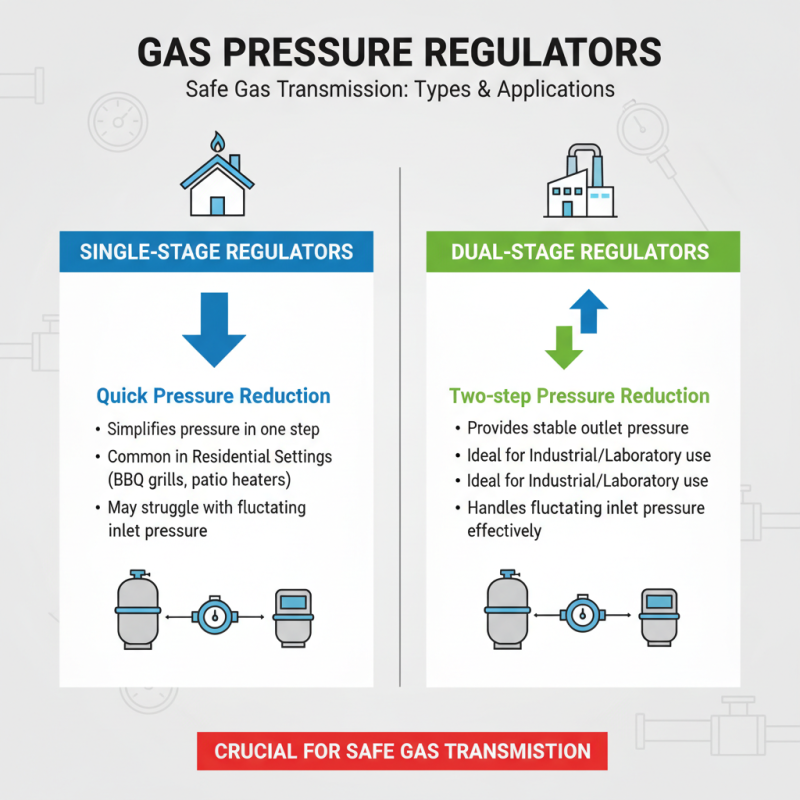
These regulators come in various designs, each serving specific needs. For instance, some are perfect for residential use, while others suit industrial applications. This diversity allows users to choose the right type for their needs.
However, not every regulator performs perfectly in every situation. Factors like pressure fluctuation and temperature can affect their efficiency. Hence, it is vital to reflect on your requirements before selecting a gas pressure regulator.
Overview of Gas Pressure Regulators: Importance and Applications
Gas pressure regulators play a crucial role in various applications, from residential heating systems to industrial processes. They ensure a constant gas pressure, which is vital for safety and efficiency. According to industry reports, improper gas pressure can lead to equipment failure and increased operational costs. Regulatory compliance is critical, as non-compliance can result in serious safety hazards.
In homes, these regulators help manage the pressure of natural gas for appliances like stoves and heaters. They protect against fluctuations that could disrupt supply. In industries, they maintain stable conditions for machinery, which reduces downtime. A study by the Gas Technology Institute revealed that up to 30% of energy consumption is linked to pressure regulation inefficiencies. Addressing this could save significant costs.
Tips: Always check the calibration of your gas regulators regularly. A small adjustment can make a big difference. Consider using advanced monitoring systems for better oversight. These approaches help counteract potential risks and improve system performance. Regular maintenance cannot be overlooked; neglecting it can lead to unforeseen issues. Sometimes, imperfections in setup can lead to undesired results. Stay vigilant.
Design and Functionality: How Different Regulators Work
Gas pressure regulators play a crucial role in managing gas flow in various applications. Each type operates differently, tailored to specific needs. For example, a standard pressure regulator maintains a constant output pressure despite fluctuations in inlet pressure. This type is essential for cooking appliances, where consistent heat is crucial.
Another common type is the adjustable regulator. It allows operators to set the output pressure according to their requirements. This flexibility makes it suitable for industrial uses. However, users must be cautious while adjusting settings. Incorrect settings can lead to inefficient operation or potential hazards.
There are also pilot-operated regulators. These devices use a smaller pilot valve to control a larger main valve. They are highly sensitive and ideal for precise gas flow control. Yet, they can be complex, requiring careful installation and maintenance. Any oversight during setup may lead to performance issues, reminding us that attention to detail is vital. Regulators are intricate components, and understanding their design is key to safe and efficient operation.
Key Features to Consider When Choosing a Gas Pressure Regulator
When selecting a gas pressure regulator, several key features stand out. First, consider the pressure range. This reflects how well the regulator can handle varying gas levels. If a regulator cannot meet the required specifications, it can lead to unsafe conditions. Pay attention to this detail, as a mismatch can cause serious issues.
Another important aspect is the material of construction. Regulators made from durable materials resist corrosion and wear. This ensures a longer lifespan and reliability. Choose materials that suit your gas type and environment. Regular inspections are necessary, but starting with solid materials helps reduce maintenance concerns.
Size matters too. Ensure the regulator fits your space and system setup. A larger unit might seem efficient but can become cumbersome. Conversely, a smaller option might not provide adequate performance. Evaluate your setup before making a decision. Besides, consider the ease of adjustment. A user-friendly interface can greatly simplify operations. Look for features that enhance efficiency and safety, even if they come at a higher initial cost.
Gas Pressure Regulator Types Comparison
This chart compares different types of gas pressure regulators based on their common applications. The data represents the relative usage frequency of each type in various scenarios.
Maintenance and Safety Tips for Gas Pressure Regulators
Gas pressure regulators are essential components for ensuring safe and efficient gas flow. However, even the best regulators need maintenance. Regular checks can prevent leaks and ensure safety. It is vital to inspect connections and seals for any signs of wear.
Here are some tips to keep your regulators in top shape.
Always check the pressure settings. Incorrect settings can lead to dangerous situations.
Remove dirt and debris from vents regularly. This helps maintain performance. If you notice rust or corrosion, address it promptly. These issues can compromise safety.
Remember, safety should always come first. If you smell gas, act quickly. Turn off the supply and seek help immediately.
Regular maintenance can help avoid costly repairs too. Don’t overlook the small details. Every component matters in ensuring a secure gas system.