What is Ground Rod Copper Benefits and Applications?
Ground Rod Copper plays a vital role in electrical safety and grounding systems. Its unique properties make it an essential material in various applications. Ground rods are used to dissipate electricity safely into the ground, preventing potential hazards.
The benefits of using Ground Rod Copper are numerous. This material offers excellent conductivity, ensuring efficient performance in grounding installations. Additionally, it is resistant to corrosion, enhancing longevity and reliability. As a result, Ground Rod Copper is favored in both residential and commercial electrical systems.
However, it is essential to recognize that not all installations are perfect. A poorly installed ground rod can lead to ineffective grounding. Regular inspections are necessary to ensure that the ground rod remains functional. Understanding the significance of Ground Rod Copper can help individuals make informed decisions for their electrical safety needs.
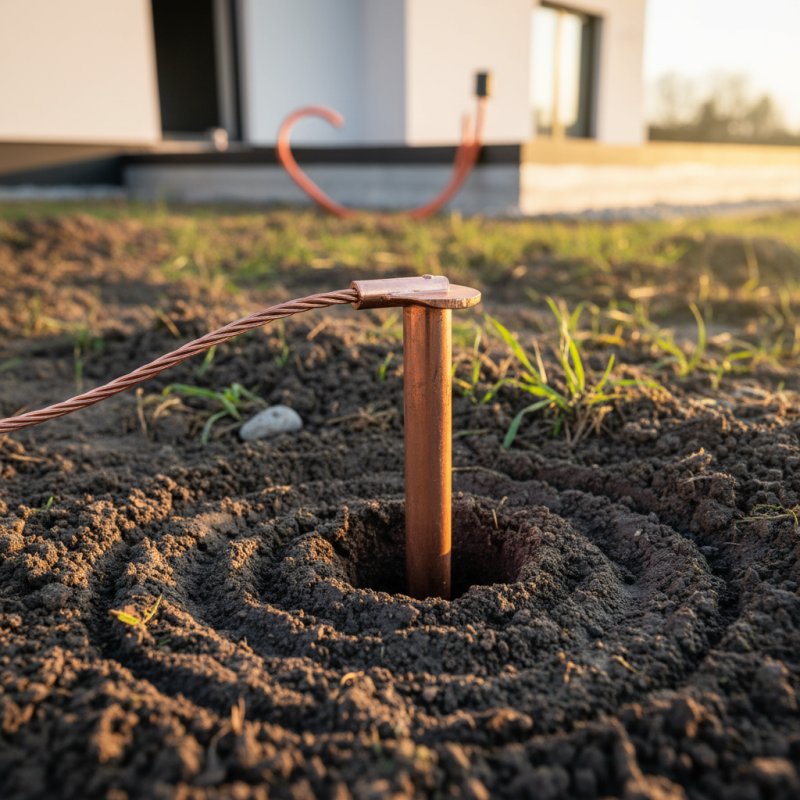
Understanding Ground Rods: Definition and Purpose
Ground rods are essential components in electrical installations. They provide a pathway for excess electrical energy to be safely dissipated into the ground. This reduces the risk of electrical shock and equipment damage. Ground rods are typically made of copper due to its excellent conductivity and resistance to corrosion. This makes them reliable for long-term usage in various environments.
When installing ground rods, it is crucial to consider soil conditions. Different types of soil can affect how well the rod functions. Rocky or dry soil may necessitate longer rods for effective grounding. Furthermore, the placement of these rods should adhere to local codes and standards. This ensures both efficiency and safety for homes and businesses. Regular inspections are recommended to identify any wear or damage that could compromise performance.
Using ground rods can have limitations. They may not provide sufficient grounding in certain situations, such as when dealing with high transient voltages. Evaluating the grounding system periodically is important. This ensures it remains effective over time. Grounding systems are often overlooked, but they play an integral role in electrical safety and reliability.
Key Benefits of Copper Ground Rods in Electrical Systems
Copper ground rods play a crucial role in electrical systems. They provide an efficient path for electrical surges, protecting equipment from damage. The excellent conductivity of copper ensures minimal resistance. This feature makes copper rods a favored choice in grounding solutions. Many industries rely on this functionality for safety and reliability.
One key benefit of copper ground rods is their durability. Copper is resistant to corrosion, which can extend the lifespan of grounding systems. In moist environments, this is particularly advantageous. Ground rods must endure various weather conditions. Over time, copper proves to be a resilient choice, even amid harsh elements.
However, there can be issues with installation. Proper depth and spacing are necessary for optimal performance. Incorrect placement can reduce the effectiveness of the ground rod. This aspect requires attention during installation. Grounding systems need regular checks to ensure they function correctly. Maintenance is essential for long-term reliability, and neglect can lead to costly failures.
Benefits of Copper Ground Rods in Electrical Systems
Applications of Copper Ground Rods in Various Industries
Ground rods made of copper are essential for effective grounding in various industries. They provide a safe and reliable path to dissipate electrical currents. This ensures the protection of both personnel and equipment from electrical faults. In construction, copper ground rods are often used to protect large machinery and electrical systems. Their corrosion-resistant properties ensure longevity and effectiveness.
In telecommunications, copper ground rods are critical for maintaining system integrity. They help minimize electromagnetic interference. By grounding equipment properly, signal quality is enhanced and downtime is reduced. In renewable energy, these rods are utilized to ground solar panels, preventing lightning strikes from causing damage.
Tips: Always consult local regulations before installation. Each environment may have different grounding requirements. Regular maintenance can help ensure that your ground rod systems remain effective. Check for corrosion or loose connections periodically.
What is Ground Rod Copper Benefits and Applications? - Applications of Copper Ground Rods in Various Industries
| Application Area | Benefits of Copper Ground Rods | Industry Examples |
| Telecommunications | High conductivity, improved signal integrity | Cell towers, data centers |
| Electrical Utilities | Corrosion resistance, longevity | Power plants, substations |
| Construction | Durability, reliability in grounding systems | Commercial buildings, residential projects |
| Renewable Energy | Effective grounding for safety | Solar farms, wind turbines |
| Manufacturing | Prevention of electrical hazards | Factories, assembly plants |
Installation Techniques for Effective Grounding with Copper Rods
Effective grounding is crucial in electrical installations. Copper ground rods provide a reliable method. Their conductivity ensures minimal resistance. According to the National Electrical Code (NEC), grounding systems reduce the risk of electrical faults. Copper rods are often chosen for their durability and efficiency.
Installation techniques are vital for proper grounding. First, it is important to select the right length—usually between 8 to 10 feet. A deeper installation may enhance performance. The rod should be driven vertically into the earth. Burying them in wet soil can improve conductivity. A common guideline suggests checking soil resistivity; it can affect grounding effectiveness.
After installation, continuous monitoring is necessary. Over time, corrosion may reduce performance. Inspect connections regularly to ensure they are intact. Regular testing is vital to maintaining system integrity. Understanding these factors leads to better safety measures in electrical systems. Reliable grounding ultimately protects equipment and users alike.
Maintenance and Safety Considerations for Copper Ground Rods
When installing copper ground rods, maintenance is crucial for long-term performance. Regular checks should be part of your safety routine. Inspect for corrosion and physical damage. Ensure that connections are tight and secure. Over time, environmental factors can wear down copper. A well-maintained ground rod can significantly reduce the risk of electrical shock and equipment failure.
It’s important to keep the area around the ground rod clear. Debris can accumulate, posing a safety hazard. Rain and moisture can affect copper rods. Ensure they are properly driven into the ground, well below frost lines. This enhances conductivity and minimizes the risk of electrical surges. Neglecting these factors may lead to costly failures down the road.
Understanding these considerations is essential. Maintenance requires time and attention, but benefits are clear. High-quality copper ground rods offer reliability, but they are not immune to the elements. Regularly revisiting the condition of these rods adds an extra layer of safety for any electrical installations. Ignoring them may lead to greater consequences, making proactive measures worthwhile.