What is a Miniature Circuit Breaker and How Does It Work?
Miniature Circuit Breakers (MCBs) are essential components in modern electrical systems. They play a crucial role in protecting circuits from overloads and short circuits, which can lead to potential hazards. According to the International Electrotechnical Commission, MCBs can reduce electrical accidents by over 30%. This demonstrates their importance in enhancing electrical safety.
MCBs operate by sensing abnormal current levels and disconnecting the circuit quickly. Their compact size allows for easy installation in residential and commercial spaces. Furthermore, industry reports indicate that the demand for MCBs is expected to grow significantly. The global circuit breaker market is projected to reach $30 billion by 2025. This growth reflects the increasing focus on safety and efficiency in electrical systems.
Despite their effectiveness, not all installations utilize MCBs properly. Many users may overlook maintenance or understanding their ratings. It’s imperative to ensure that MCBs are adequately chosen based on specific applications. Choosing the wrong type might lead to frequent tripping or insufficient protection. Thus, awareness and proper selection are key in optimizing the performance of Miniature Circuit Breakers.
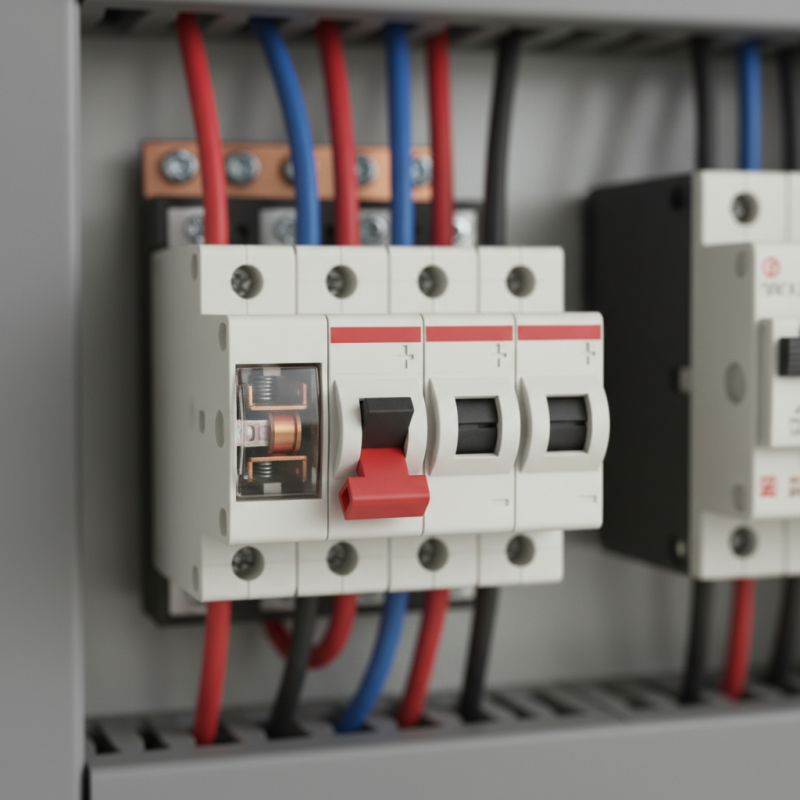
What Is a Miniature Circuit Breaker?
A miniature circuit breaker (MCB) is a crucial safety device in electrical systems. It automatically switches off electrical circuits when issues arise, like overloads or short circuits. This prevents damage to wiring and appliances. MCBs are compact, making them ideal for residential and commercial properties. They come in various ratings to suit different circuit loads.
When a circuit experiences excessive current, the MCB trips. A bi-metallic strip or electromagnetic mechanism detects the fault and disconnects the circuit. This action occurs in milliseconds. MCBs are easy to reset, unlike fuses, which require replacement. It's essential to choose the right rating for your needs. An incorrect rating could lead to nuisance tripping or inadequate protection.
Many users overlook the importance of routine checks. Regular testing can ensure the MCB functions correctly. Not all MCBs are created equal; some may wear out unexpectedly. Faulty circuit breakers can lead to dangerous situations. Understanding these devices better can aid in maintaining electrical safety. Investing time in learning about MCBs benefits not just your appliances but also your home’s safety.
The Purpose and Importance of Miniature Circuit Breakers
Miniature circuit breakers (MCBs) play a vital role in today's electrical systems. They protect circuits by automatically shutting off when overloads or short circuits occur. This function is essential for preventing electrical fires and equipment damage. In homes and businesses, MCBs ensure safety and reliability, providing peace of mind.
The design of MCBs allows them to react quickly to electrical faults. They use a bimetallic strip that bends when heated by excess current. This bending triggers the switch to open, cutting off the current flow. The quick response time is crucial in minimizing harm from electrical faults. However, it’s important that users regularly check and test their MCBs. Regular maintenance can ensure the breaker functions when needed most.
Despite their effectiveness, MCBs are not foolproof. They can sometimes trip without apparent causes due to various factors like temperature changes or faulty wiring. This unpredictability can be frustrating and may require further investigation to determine the underlying issues. Understanding their role helps users appreciate their importance and promotes proactive safety measures.
How Miniature Circuit Breakers Function Mechanically
Miniature Circuit Breakers (MCBs) are essential in electrical systems. They protect circuits from overloads and short circuits. Mechanically, they function through a bi-metallic strip or electromagnetic mechanism. These elements detect excess current. When the current exceeds a set threshold, the strip bends or the electromagnetic force creates a trip action. This automatically cuts off the circuit, preventing damage.
In 2020, the global MCB market was valued at approximately $2.12 billion, with a projection to grow significantly. This indicates a rising demand for reliable electrical protection. In homes and industrial settings, MCBs prevent potential fire hazards due to electrical faults. They also ensure that unnecessary outages do not occur with minor faults. A common fault might lead to nuisance tripping, causing frustration.
The mechanical design of MCBs poses challenges. For instance, higher sensitivity can lead to unwanted disconnections. Frequent tripping can undermine their reliability. Yet, their role remains critical for safety. These devices embody a blend of simplicity and complexity, demonstrating the need for ongoing refinement.
Types of Miniature Circuit Breakers and Their Applications
Miniature Circuit Breakers (MCBs) are vital in electrical systems. They protect wiring and appliances from overloads. There are different types, each with specific uses.
The Type B MCB is common in residential applications. It trips when current exceeds 3-5 times the rated load. This is useful for general household devices. Type C MCBs handle more significant loads found in commercial and industrial settings. They trip at 5-10 times the rated current. This allows them to withstand brief surges from motors.
**Tip:** Always choose an MCB based on the load you expect. Use the right type to avoid nuisance tripping. Sometimes, overestimating can lead to issues.
Type D MCBs are designed for heavy-duty applications. They trip at high currents, making them suitable for transformers and generators. Consider your application; each type serves a purpose. Sometimes, wrong choices can cause safety hazards.
**Tip:** If unsure, consult with a professional for recommendations. It's better to take time than to face electrical failures later. Understanding the details is crucial. Not all situations are straightforward.
Miniature Circuit Breaker Types and Applications
| Type | Current Rating (A) | Tripping Curve | Applications |
| Type B | 1 - 63 | B Curve (3-5x In) | Residential circuits, lighting |
| Type C | 3 - 125 | C Curve (5-10x In) | Commercial circuits, motors |
| Type D | 10 - 250 | D Curve (10-20x In) | Heavy machinery, transformers |
| Type K | 16 - 125 | K Curve (8-12x In) | Capacitive loads |
| Type Z | 0.5 - 63 | Z Curve (2-3x In) | Sensitive electronic equipment |
Installation and Maintenance of Miniature Circuit Breakers
When installing a miniature circuit breaker (MCB), ensure you have the right tools. You'll need a screwdriver and wire strippers. First, turn off the power supply to the circuit. This step is crucial for your safety. Then, carefully remove the cover of the MCB.
Connect the wires to the corresponding terminals. Make sure the connections are tight. Loose connections can lead to overheating. Double-check your work to avoid future issues. It's easy to overlook small details, but they matter. After securing the wires, reattach the cover.
Regular maintenance of MCBs is important. Check for signs of wear or damage. A visual inspection can reveal a lot. If the MCB trips frequently, something might be wrong in the system. Re-evaluate the circuit load. Sometimes, we accept problems instead of investigating them. A little more attention can prevent bigger issues down the line.