Why Are Natural Gas Regulators Important for Energy Safety and Pricing
Natural gas is a critical component of the modern energy landscape, providing heating, electricity generation, and fuel for vehicles across the globe. As the demand for this resource continues to grow, the role of natural gas regulators becomes increasingly vital in ensuring energy safety and fair pricing. These regulatory bodies are tasked with overseeing the extraction, transportation, and distribution of natural gas, implementing safety protocols, and monitoring market practices to prevent exploitation and price manipulation.
Natural gas regulators serve as guardians of public interest, ensuring that consumers have access to safe, reliable, and affordable energy. They establish regulations that protect the environment and public health while fostering a competitive marketplace that encourages innovation and investment. In an industry marked by volatility and rapid change, these regulatory agencies are essential in maintaining stability and accountability. By addressing issues such as price fluctuations and safety risks, natural gas regulators not only protect consumers but also contribute to the overall resilience of energy systems in the face of economic and environmental challenges.
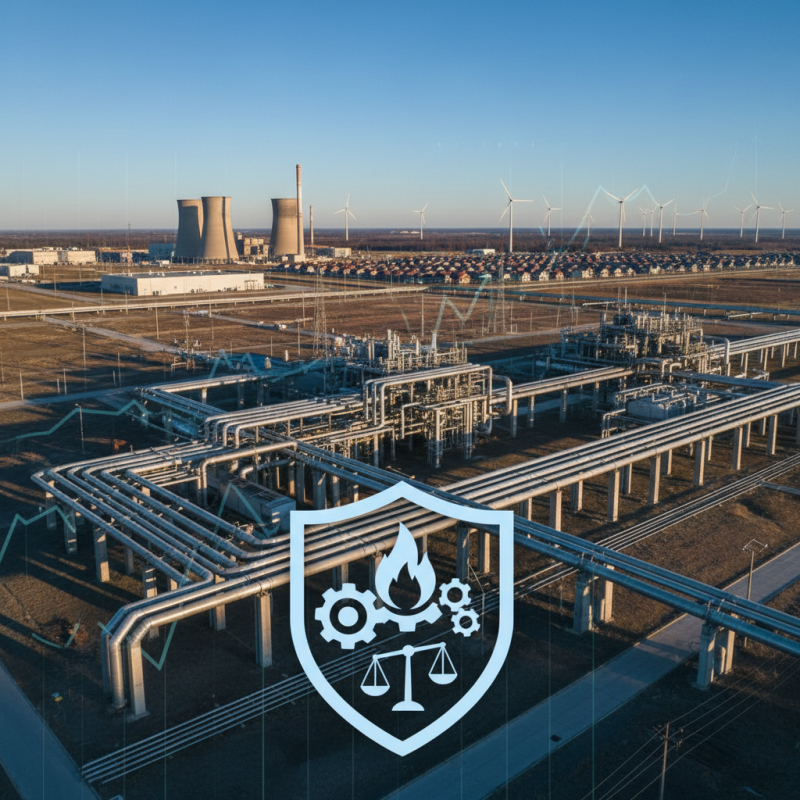
Role of Natural Gas Regulators in Ensuring Energy Safety Standards
Natural gas regulators play a crucial role in maintaining energy safety standards that protect both consumers and the environment. These regulatory bodies are tasked with the oversight of natural gas extraction, transportation, and distribution processes. According to the U.S. Energy Information Administration (EIA), natural gas accounted for about 40% of the United States' electricity generation in 2022, underscoring its significance in the national energy landscape. By implementing stringent safety standards, regulators help to mitigate risks associated with gas leaks, explosions, and other hazardous incidents that can arise during the extraction and transportation phases.
Moreover, natural gas regulators ensure compliance with safety protocols that are critical for industrial operations and residential usage. For instance, the Pipeline and Hazardous Materials Safety Administration (PHMSA) reported that proper regulatory practices can significantly reduce the frequency of pipeline incidents. In 2021, there were approximately 80 significant incidents, which was a reduction from previous years due to enhanced safety regulations. These preventive measures not only safeguard public health but also contribute to more stable pricing in the energy market. Effective regulation can minimize disruptions in supply caused by accidents, leading to a more predictable market that benefits consumers with reasonable pricing and reliable service.
Regulatory Framework Governing Natural Gas Pricing Mechanisms
The regulatory framework governing natural gas pricing mechanisms is crucial for ensuring energy safety and stability in the market. Natural gas regulators play a vital role in overseeing pricing structures, which directly impact consumer costs and market competition. By establishing fair pricing protocols, these regulators help prevent price manipulation and promote transparency, fostering trust among consumers and businesses alike. Additionally, they create a balanced environment where both producers and consumers are safeguarded from drastic price fluctuations that could arise from market volatility.
Tips: When discussing natural gas pricing, it's important to understand the various factors that regulators consider. These include supply and demand dynamics, infrastructure costs, and environmental impacts. Staying informed about regulatory changes can also help consumers make better decisions regarding their energy usage.
Moreover, regulators collaborate closely with industry stakeholders to adjust pricing mechanisms based on changing market conditions. This ongoing dialogue not only helps in maintaining energy safety but also ensures that prices reflect true market values rather than speculative trends. Regular assessments and updates to regulations ensure a resilient energy landscape, benefiting both consumers and the economy as a whole.
Tips: Engaging with local energy advocacy groups can provide valuable insights into how these regulations affect your community, empowering you to voice your concerns and influence future energy policies.
Impact of Natural Gas Regulations on Market Stability and Consumer Protection
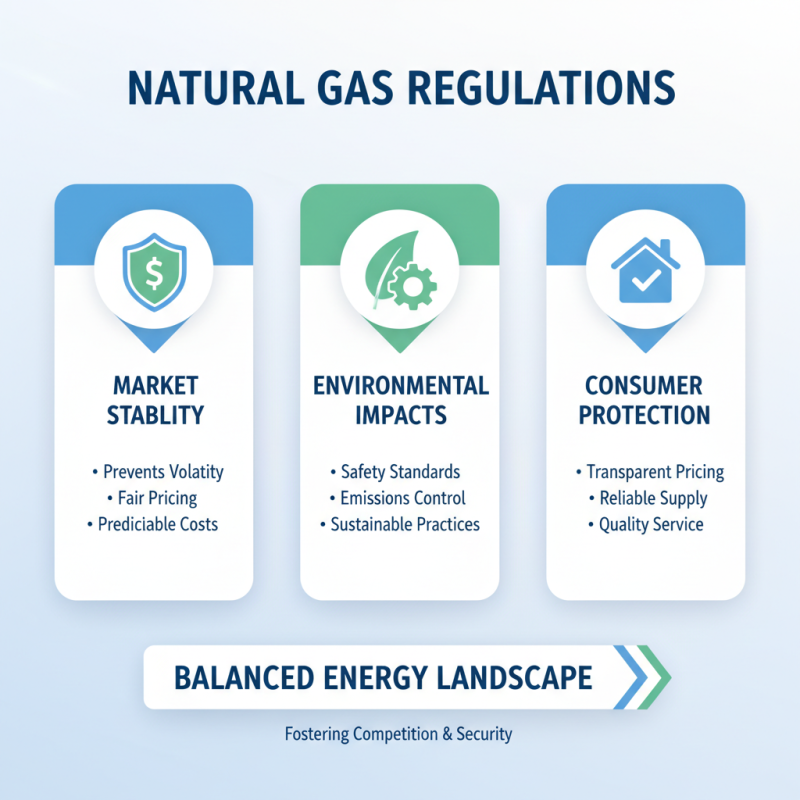
Natural gas regulations play a critical role in ensuring market stability and protecting consumers. By establishing guidelines for pricing, safety standards, and environmental impacts, regulators help create a balanced energy landscape. This stability is essential in preventing market volatility, which can arise from price manipulation or supply disruptions. Effective regulation fosters competition and can lead to fair pricing, allowing consumers to benefit from transparent and predictable energy costs.
Moreover, consumer protection is a fundamental aspect of natural gas regulation. Regulators ensure that energy providers adhere to safety protocols and maintain infrastructure integrity, which is vital for preventing accidents and environmental hazards. Additionally, they create mechanisms for addressing consumer complaints and disputes, ensuring that customers are treated fairly and have access to reliable natural gas services. By prioritizing both market stability and consumer safety, natural gas regulators help build public trust and encourage investment in the energy sector.
Challenges Faced by Natural Gas Regulators in a Changing Energy Landscape
Natural gas regulators are facing significant challenges in today's rapidly evolving energy landscape. With the increasing reliance on renewable energy sources, the demand for natural gas continues to fluctuate, impacting pricing and availability. According to the U.S. Energy Information Administration (EIA), natural gas consumption is projected to reach 32 trillion cubic feet by 2025, creating a need for effective regulatory frameworks that can adapt to such dynamic market conditions. Regulators must ensure that pricing remains fair for consumers while still incentivizing production and infrastructure development.
Moreover, the shift towards decarbonization poses additional complexity for regulators. As policies promote the transition to cleaner energy, the role of natural gas in the energy mix is being re-evaluated. A report from the International Energy Agency (IEA) indicates that natural gas will play a critical role in meeting energy demands while supporting the integration of renewables. However, this transitional phase presents a challenge in balancing short-term energy needs with long-term sustainability goals. Regulators must navigate these competing priorities, ensuring that natural gas remains a reliable option for energy supply while facilitating innovation and investment in renewable technologies.
Why Are Natural Gas Regulators Important for Energy Safety and Pricing - Challenges Faced by Natural Gas Regulators in a Changing Energy Landscape
| Regulatory Challenge |
Description |
Impact on Energy Safety |
Impact on Pricing |
| Market Volatility |
Fluctuation in natural gas prices due to supply and demand changes. |
Higher risk of supply disruptions affecting safety measures. |
Causes unpredictable pricing for consumers and businesses. |
| Regulatory Compliance |
Ensuring companies meet safety regulations and standards. |
Directly affects the safety of gas supply infrastructure. |
Compliance costs can lead to higher gas prices for consumers. |
| Technological Advancements |
Integration of new technologies for safety and efficiency. |
Enhances safety standards and response capabilities. |
Initial high costs, but potential for lower prices long-term. |
| Environmental Regulations |
Policies aimed at reducing emissions and environmental impact. |
Safety protocols to manage the environmental risks of gas extraction. |
May increase operational costs, thus impacting prices. |
| Public Perception |
Influence of community concerns on natural gas projects. |
Community trust directly linked to safety practices in the industry. |
Negative perception can lead to increased costs for securing operations. |
Future Trends in Natural Gas Regulation and Its Implications for Safety and Pricing
As natural gas demand continues to rise, the regulatory landscape is evolving to address both safety and pricing concerns. A report by the U.S. Energy Information Administration (EIA) highlights that natural gas production is projected to increase by 30% by 2050, necessitating updated regulatory frameworks to manage this growth effectively. Regulators play a crucial role in ensuring that infrastructure investments are safe and reliable, which is paramount given the increase in transmission pipeline mileage, which has seen a staggering 50% growth over the last two decades. Adequate regulation not only mitigates safety risks posed by aging infrastructure but also helps maintain fair pricing structures in a competitive market.
Looking ahead, several trends are expected to shape natural gas regulation, particularly the integration of advanced technologies for monitoring and inspection. The American Gas Association (AGA) indicates that utilities are increasingly adopting digital tools and data analytics to enhance pipeline safety and efficiency, which could potentially lower operational costs. Furthermore, with the growing emphasis on sustainability, regulators are likely to impose stricter emissions standards, requiring natural gas companies to invest in cleaner technologies. This transition may influence gas pricing but is essential for aligning with global climate goals. As these trends unfold, they will significantly impact the regulatory paradigm, driving a balance between safety, innovation, and competitive pricing in the natural gas sector.
Natural Gas Regulation Impact on Safety and Pricing