How to Optimize the Aeration Process in Wastewater Treatment?
The Aeration Process In Wastewater Treatment is a critical step in ensuring the effective removal of contaminants. This process enhances the biological degradation of organic matter, which is vital for maintaining water quality. According to the Water Environment Federation, approximately 60% of wastewater treatment plants utilize aeration systems. These systems facilitate the growth of bacteria that consume pollutants.
However, optimizing this process remains a challenge for many facilities. Inefficient aeration can lead to increased operational costs and environmental consequences. Reports indicate that up to 50% of total energy usage in wastewater treatment plants is attributed to aeration. This underlines the need for ongoing assessments and updates to aeration strategies.
Continuous improvements and monitoring are essential. Facilities often overlook factors like sludge age and oxygen transfer rates. These aspects can significantly affect overall performance. Addressing these issues can lead to more sustainable practices and better regulatory compliance. The goal is to enhance efficiency while minimizing the ecological footprint of wastewater treatment processes.
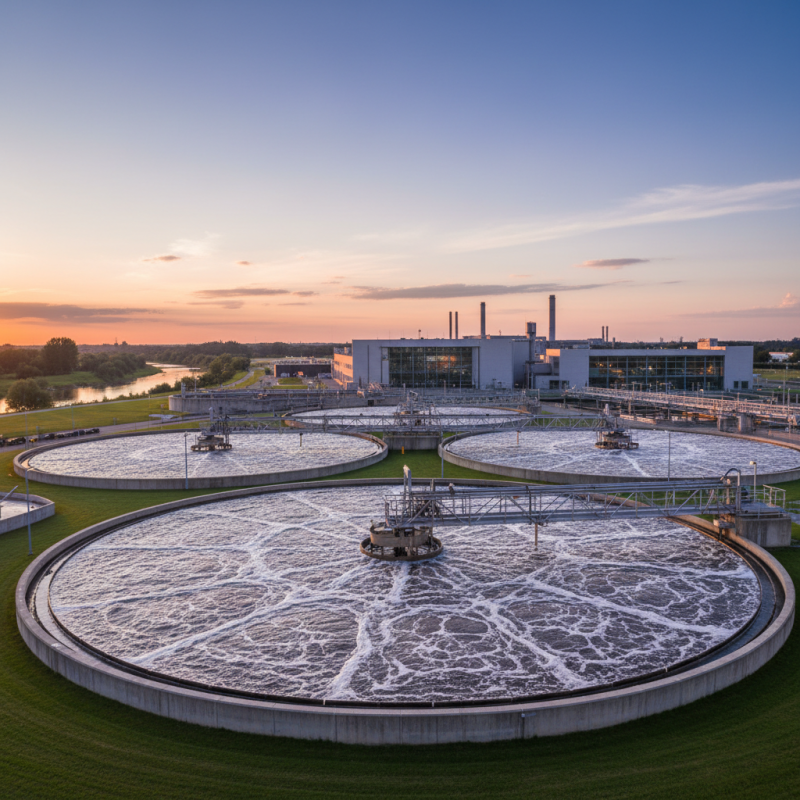
Introduction to Aeration in Wastewater Treatment
Aeration is a critical step in wastewater treatment. It enhances the biological degradation of organic matter by supplying oxygen to microorganisms. These microbes thrive in oxygen-rich environments, effectively breaking down pollutants. According to the U.S. Environmental Protection Agency (EPA), aeration accounts for up to 60% of the operational costs in wastewater treatment plants. This statistic underscores the importance of optimizing the aeration process.
Various aeration techniques, such as diffused aeration and mechanical aerators, differ in efficiency and application. Diffused aeration systems, for instance, use air diffusers to distribute fine bubbles throughout the wastewater. This method can achieve higher oxygen transfer rates compared to surface aerators. A study published by the Water Environment Federation indicates that using diffused aeration can increase oxygen transfer efficiency by 25% in certain conditions. However, these systems can face challenges like clogging and uneven air distribution, which may hinder performance.
Maintaining an effective aeration process requires constant monitoring and adjustment. Factors like temperature, organic load, and microbial health significantly impact aeration efficiency. Fluctuations in any of these variables could lead to inadequate treatment. Regular performance evaluations and technological updates can improve outcomes, but they also require investment and expertise. Balancing these elements is vital for optimizing the aeration process in wastewater treatment.
Types of Aeration Processes Used in Wastewater Treatment
Aeration is a vital process in wastewater treatment. It enhances the breakdown of organic matter by introducing oxygen into the system. Various aeration methods are employed depending on the required efficiency and the characteristics of the wastewater.
The most common types include Activated Sludge, Diffused Aeration, and Mechanical Aeration. Activated Sludge relies on microorganisms to consume organic material. Reports show that this method can achieve over 90% removal of organic pollutants. Diffused Aeration, on the other hand, uses fine bubbles to transfer oxygen efficiently. This technique can improve oxygen transfer efficiency by up to 30% compared to coarse bubble systems. Mechanical Aeration uses paddles or turbines to mix the water, which can be effective but sometimes less efficient in oxygen transfer.
Tips: Regularly monitor the dissolved oxygen levels in your aeration tanks. Aim for 2-5 mg/L for optimal microbial activity. Don't forget to assess your aeration system's energy consumption. Improper aeration can lead to overuse of energy. Balancing energy use with treatment performance often requires careful analysis. It’s important to review these methods’ costs and efficiencies regularly. New technologies may emerge, offering better performance and lower operational costs. Always stay informed about industry developments for effective process optimization.
Factors Affecting the Efficiency of Aeration Systems
Aeration is a critical process in wastewater treatment, influencing the breakdown of organic matter. Several factors can affect the efficiency of aeration systems, primarily the design and operational parameters. Optimal aeration relies heavily on the appropriate selection of diffusers, which can account for 20-40% of the energy consumed in treatment plants (Water Environment Federation, 2020).
Dissolved oxygen (DO) levels are essential in improving the biodegradation rates in wastewater. Maintaining DO at optimal levels, typically between 2-4 mg/L, enhances microbial activity. However, excessive aeration can lead to energy inefficiencies. A study by the U.S. Environmental Protection Agency (EPA) indicated that reducing aeration time by just 10% can cut energy costs by 15%.
Tips: Regular monitoring of energy use and DO levels can uncover areas needing improvement. Adjusting blowers and fine-tuning pump speed can create significant energy savings.
Temperature and pH also influence aeration efficiency. Increased temperatures can raise DO saturation levels, while extreme pH levels may hinder microbial function. Reviewing historical data can identify patterns requiring adjustments. Aeration must balance energy consumption and biological requirements effectively. Neglecting these factors can lead to inflated operational costs.
Best Practices for Optimizing Aeration Performance
Optimizing aeration performance in wastewater treatment is vital for enhancing overall efficiency. The aeration process accounts for 50-60% of operational costs in activated sludge systems. Efficient aeration ensures sufficient oxygen supply for microorganisms, promoting effective organic matter degradation. Data from the Water Environment Federation indicates that optimizing aeration can reduce energy consumption by up to 30%, a significant improvement for facilities aiming to decrease operational costs.
Monitoring dissolved oxygen (DO) levels is crucial. A study by the Environmental Protection Agency (EPA) highlights that maintaining DO between 2-3 mg/L can enhance microbial activity. Operators should use automatic DO sensors to achieve this consistency. However, some facilities struggle with irregular DO levels, often leading to inefficient treatment processes. Regular staff training on maintaining these systems is necessary, as poor management can hinder performance.
Another key aspect is the maintenance of aeration equipment. Ineffective aerators can waste energy and fail to deliver optimal oxygen. Regular inspections can identify issues like fouling or wear. Research shows that neglected aeration systems can increase energy consumption by over 20%. Facilities must prioritize maintenance, ensuring equipment operates at peak efficiency. Addressing these challenges is essential for optimizing aeration processes in wastewater treatment.
Monitoring and Maintenance Strategies for Aeration Systems
Effective monitoring and maintenance strategies are crucial for optimizing aeration systems in wastewater treatment. Regularly tracking the performance of aerators ensures that they function efficiently. A well-maintained aeration system promotes better oxygen transfer and enhances the breakdown of organic materials. One key step is to conduct frequent inspections of aerator performance. This includes checking for blocked diffusers or pipes that impede airflow.
Data collection plays a vital role in maintaining aeration systems. Measuring dissolved oxygen levels and airflow rates helps identify issues early. Technicians should use calibrated sensors to ensure accuracy. It is also important to evaluate energy consumption patterns. Unexpected spikes might indicate mechanical issues that require timely attention.
Implementing a routine calibration schedule can minimize inaccuracies in monitoring. Documentation should be thorough and up-to-date. Recording maintenance activities helps track system performance over time. It allows operators to reflect on past issues and successes. However, maintenance can sometimes be overlooked, leading to a decline in system efficiency. Creating a culture of accountability and awareness within the team can mitigate these gaps. Regular training sessions can enhance staff skills and knowledge, ultimately improving the overall process.