Essential Tips for Choosing the Best Photovoltaic Connectors?
In the evolving landscape of solar energy, the importance of choosing the right Photovoltaic connectors cannot be overstated. According to Dr. Emily Carter, an expert in solar technology, "The durability and efficiency of photovoltaic connectors significantly impact overall system performance." Her insights illuminate the critical role these connectors play in ensuring a smooth energy flow.
Selecting photovoltaic connectors involves understanding various factors. These include climate conditions, installation environments, and expected longevity. A poor choice can lead to failures, causing downtime and financial loss. Small details matter, like material quality and waterproof ratings. Inadequate connectors may not withstand harsh weather, risking your entire solar investment.
Focusing on specific requirements and industry standards is essential. However, even seasoned professionals can overlook details when under pressure. Mistakes happen, but they can be learning opportunities. Potential pitfalls can guide improved decision-making in future projects. The quest for optimal photovoltaic connectors is ongoing and complex, making it vital to stay informed.
Understanding Photovoltaic Connectors: Types and Applications
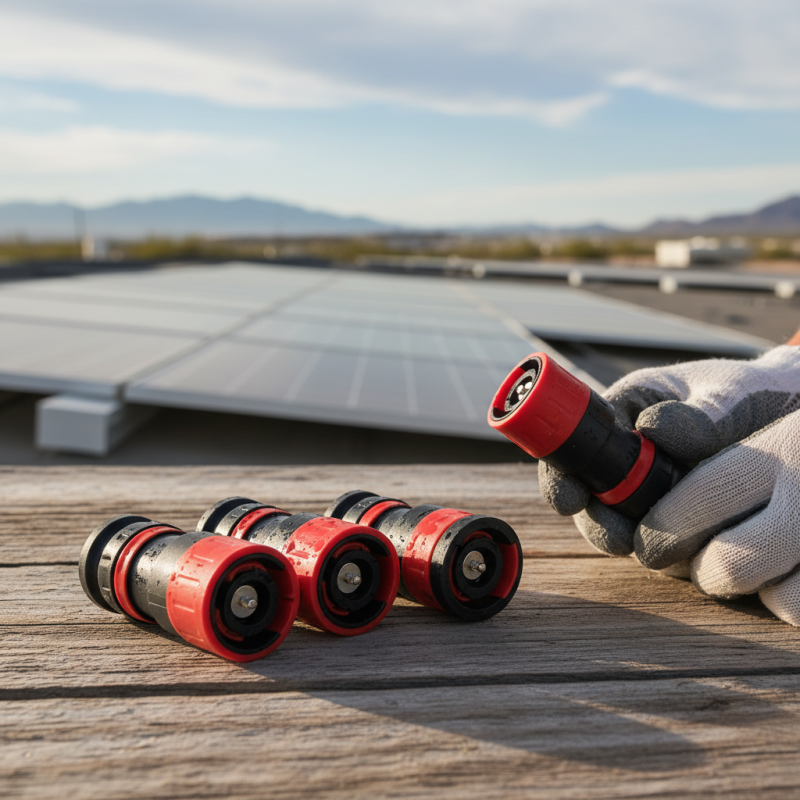
Photovoltaic connectors play a crucial role in solar energy systems. They are essential for safely linking solar panels to inverters and other components. Understanding the types is vital for making the right choice. Common types include MC4, Tyco, and Amphenol connectors. Each has unique features and applications in different environments.
MC4 connectors are popular due to their ease of use and reliability. They can handle high currents and voltages, making them suitable for both residential and commercial setups. According to a 2023 industry report, around 70% of solar installations utilize MC4 connectors. However, improper installation can lead to performance issues. Tyco connectors, known for their robust design, are often used in industrial applications. They are resistant to harsh weather conditions, but installation can be complex.
While choosing connectors, assess your specific needs. Compatibility with existing equipment is essential. Many installers overlook this factor, leading to costly mistakes. Moreover, connectors must meet safety standards to prevent failures. Research suggests that poorly connected systems can lose up to 15% efficiency. Be cautious and ensure that your selection process is thorough.
Essential Tips for Choosing the Best Photovoltaic Connectors
Key Factors in Selecting Photovoltaic Connectors
When selecting photovoltaic connectors, consider several key factors to ensure efficiency and safety. The material of the connectors plays a crucial role. Look for connectors made of high-quality, durable materials that can withstand harsh weather conditions. Plastic connectors may be cheaper but tend to degrade faster.
Compatibility with existing systems is essential. Check the specifications of your solar panels and inverters. Mismatched connectors can lead to inefficiencies or even equipment failure. Always verify current ratings and voltage requirements before making a purchase.
Here are some tips to guide your selection process. Start by considering the temperature range of your installation site. A connector resistant to high temperatures can prevent overheating issues. Use connectors with protective features, like waterproofing or UV resistance. These features prolong the life of your solar energy system. Remember, investing in reliable connectors can save you costs in the long run.
Reflect on your specific needs. Sometimes, the most economical option isn’t always the best. Quality connectors enhance system performance and reduce maintenance needs. Take the time to research and choose wisely. Your solar energy efficiency depends on these small yet significant components.
Evaluating the Durability and Weather Resistance of Connectors
When choosing photovoltaic connectors, durability and weather resistance are crucial factors. Recent industry reports indicate that up to 30% of solar system failures are linked to inadequate connector quality. Connectors are exposed to harsh environmental conditions, including UV rays, moisture, and temperature fluctuations. Understanding the material composition is vital. High-quality connectors often use UV-stabilized thermoplastics that resist degradation over time.
Testing for weather resistance is essential. Most experts recommend connectors undergo rigorous certification, such as IEC 61215. This standard assesses their ability to withstand extreme temperatures and resistance to moisture. Connectors that fail these tests risk serious performance issues. For instance, connectors showing signs of corrosion or brittleness after only a few years can lead to energy losses of up to 20%. That's a significant concern for anyone investing in solar energy.
It's also important to consider installation conditions. Connectors that appear durable on paper may not perform well under real-world conditions. Issues like improper sealing can compromise weather resistance. There have been instances where lower-quality connectors failed during extreme weather events. This highlights the necessity for thorough research and testing before making a purchase. Select connectors that offer a balance of performance and reliability for long-term success.
Compatibility Issues: Ensuring Your Connectors Fit Your System
When selecting photovoltaic connectors, compatibility is crucial. Not all connectors fit all systems. Different manufacturers produce varying connector designs. This can lead to connectivity issues, inefficiencies, or even system failure. It's essential to verify the specifications of your system before making a purchase.
Inspect the ratings and sizing of the connectors. Ensure they align with your panels and inverters. Mismatching can cause overheating or reduced performance. Take time to measure your connectors properly. A mistake here can be costly. Pay attention to factors like voltage and current ratings. Ignoring these details can lead to a frustrating setup process.
It’s wise to consult resources or experts in the field. They can offer insights into potential issues. Sometimes the most straightforward choices become the most problematic. If your connectors are too tight or too loose, adjustments may be needed. This trial and error can be tedious. But it's better to be thorough than to face problems later on. Being cautious ensures your photovoltaic system operates efficiently for years.
Best Practices for Installing and Maintaining Photovoltaic Connectors
When installing photovoltaic connectors, adhering to best practices is crucial. Proper installation ensures long-term performance and safety. A recent report indicated that improper connections can lead to significant losses—up to 20% in energy efficiency. This statistic showcases the importance of attention to detail during installation.
Utilizing high-quality connectors is essential, yet installation errors can still occur. Many installers overlook the importance of torque specifications. Tightening connectors too loosely can create resistance, whereas over-tightening can damage components. Aim for a balance, and follow manufacturer guidelines closely.
Regular maintenance is key to sustaining the system's efficiency. Inspect connections routinely for signs of wear or corrosion. Clean connectors as needed; dirt and grime can hinder performance. A study from a reputable energy organization highlighted that regular maintenance can improve energy yield by as much as 15%. However, many systems remain neglected, leading to preventable losses. Awareness of potential issues is the first step toward improving your photovoltaic system's longevity.
Essential Tips for Choosing the Best Photovoltaic Connectors
| Connector Type | Material | Current Rating (A) | Voltage Rating (V) | IP Rating | Max Operating Temperature (°C) | Connector Lifecycle (cycles) |
| MC4 | Copper | 30 | 1000 | IP67 | 85 | 10,000 |
| Tyco/AMP | Brass | 20 | 600 | IP68 | 90 | 5,000 |
| H4 | Aluminum | 30 | 1000 | IP66 | 80 | 12,000 |
| Amphenol | Copper | 40 | 1500 | IP67 | 95 | 20,000 |