Top 10 Flow Control Valve Types and Their Applications?
In the ever-evolving field of engineering, the significance of flow control valves cannot be overstated. As industry expert Dr. Emily Harris succinctly noted, "Flow control valves are the heartbeat of fluid systems." This underscores the essential role these components play in regulating fluid movement across various applications.
From oil and gas to water management, each industry relies heavily on flow control valves to maintain efficiency. Their design can vary widely, tailored to meet specific operational demands. For example, a ball valve offers quick shutoff, while a globe valve provides finer control over flow rates. Yet, as technology advances, some may question whether the current designs fully address emerging challenges.
Despite their importance, it is crucial to reflect on potential drawbacks. Some types may not perform well under varying pressure conditions. This necessitates a deeper understanding of each valve's strengths and limitations. A strategic approach to selecting the right flow control valve can optimize performance and ensure system reliability.
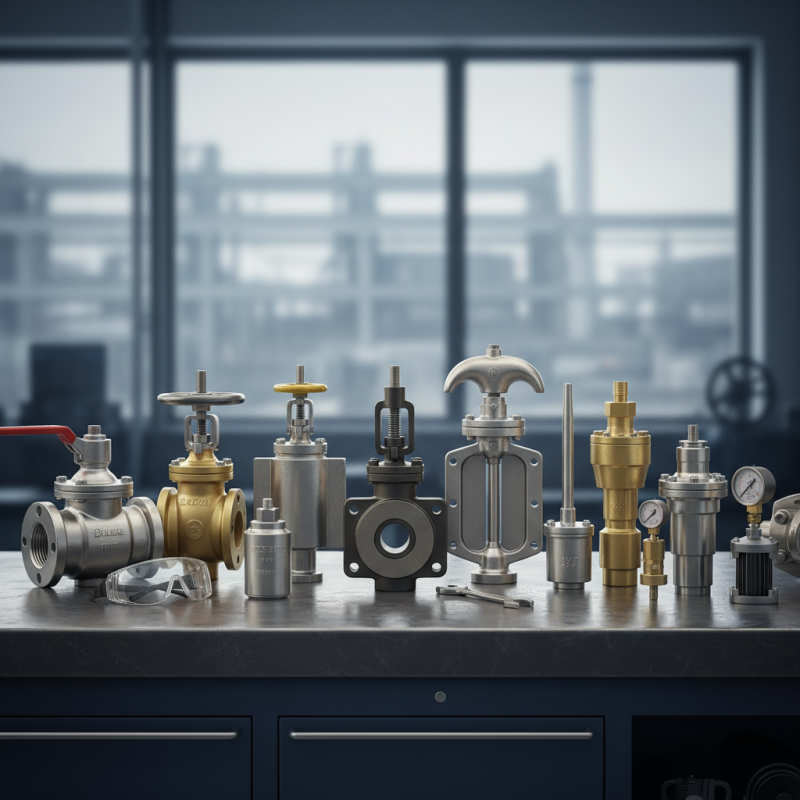
Understanding Flow Control Valves: A Comprehensive Overview
Flow control valves are crucial in managing fluid dynamics in various applications. These devices regulate flow rates, pressure, and direction within systems. There are several types of flow control valves, each suited for specific tasks. For example, needle valves provide fine control of flow, while ball valves offer robust shut-off capabilities.
In different industries, flow control valves play vital roles. In HVAC systems, they maintain comfort levels by regulating airflow. In manufacturing, they ensure consistent product quality by controlling fluid inputs. However, not all valves function perfectly in every scenario. Some may wear out quickly due to pressure fluctuations. Others might not provide adequate control over a wide range of flow rates.
Users often overlook maintenance, leading to inefficiencies. Regular inspections and timely replacements are necessary for optimal performance. Understanding the limitations of each valve type can help in choosing the right one for your needs. It's essential to reflect on the system’s requirements and choose the most suitable flow control mechanisms.
Types of Flow Control Valves and Their Unique Features
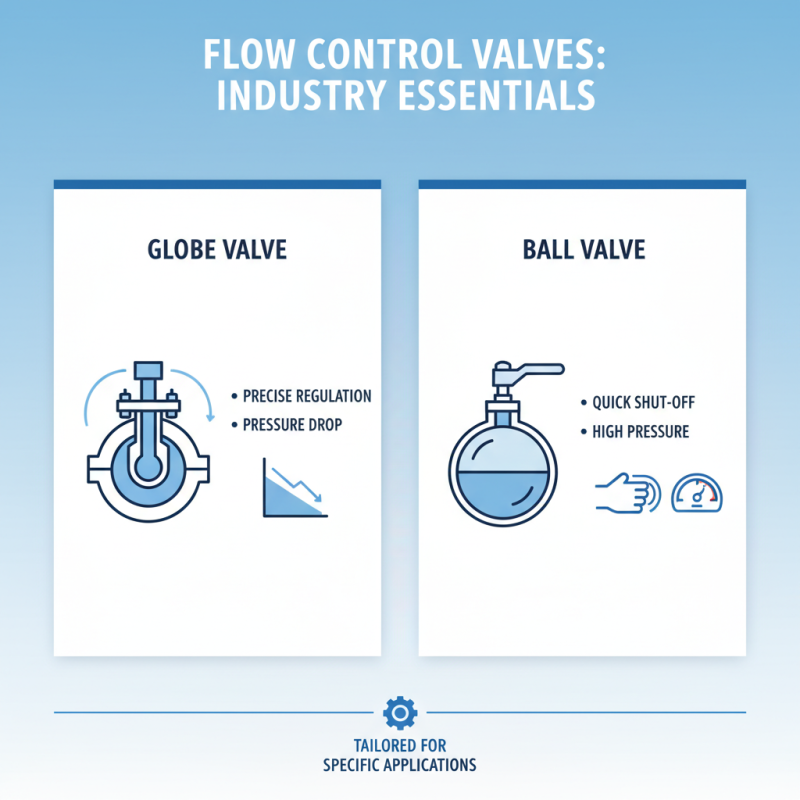
Flow control valves play a crucial role in various industries. Each type of flow control valve has its unique features tailored for specific applications. For instance, a globe valve is simple yet effective. It can precisely regulate flow but may create pressure drops. On the other hand, ball valves provide a quick shut-off and can handle high pressures. However, they might not offer the fine-tuned control seen in globe valves.
Another notable type is the needle valve, which enables very precise flow adjustments. It's great for low flow rates, but slow to operate. Butterfly valves, known for their lightweight design, are often used in large pipelines. They allow for fast operation but can be less effective at sealing compared to other valves. Lastly, check valves have a different purpose altogether; they prevent backflow. While they are essential, misplacement can lead to inefficiency. Each valve type serves its intended purpose, yet they can also introduce complexities when not matched with the right system.
Common Applications of Flow Control Valves in Various Industries
Flow control valves are essential in various industries. They help manage the flow of fluids effectively. For instance, in the chemical industry, these valves regulate the amount of liquid chemicals in processes. Precise control prevents overflows and ensures safety. In HVAC systems, flow control valves maintain proper airflow. They enhance energy efficiency and comfort in buildings.
Different types of flow control valves suit specific applications. For example, globe valves are often used in applications requiring fine flow regulation. Their design allows for precise adjustments. On the other hand, ball valves provide quick shut-off capabilities, making them ideal for on/off applications.
Tip: Always assess the fluid properties before selecting a valve type. It affects performance and longevity.
In the food and beverage industry, flow control valves are vital. They ensure consistent flow rates during production. Any fluctuation can lead to product quality issues. Regular maintenance checks are necessary to avoid failure.
Tip: Monitor valve performance periodically. Small leaks can escalate quickly. Identifying issues early is key to preventing downtime.
Factors to Consider When Choosing Flow Control Valves
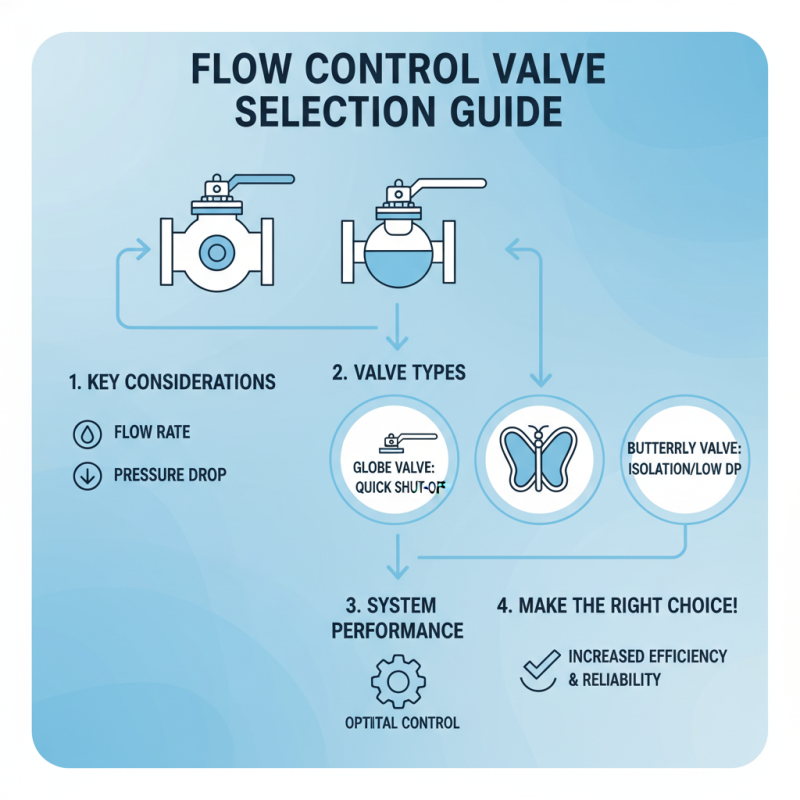
Choosing the right flow control valve is crucial for optimal system performance. One must consider several factors before making a decision. Flow rate and pressure drop are key aspects. The valve type affects how effectively it regulates the flow. For instance, globe valves are commonly used for throttling, while ball valves offer quick shut-off.
Material compatibility is another important factor. Different fluids require specific materials to avoid corrosion. According to a recent market analysis, materials like stainless steel and PVC have seen increased demand due to their durability. Additionally, consider the temperature range of your application to ensure the valve can handle it.
Tips: Always evaluate the flow requirements thoroughly. Conducting a system analysis helps identify the best valve type. Don’t overlook maintenance needs. Regular checks can prevent malfunctions. It's easy to underestimate this, but neglecting maintenance can lead to costly repairs. It’s essential to strike a balance between performance and reliability when selecting any flow control valve.
Maintenance Best Practices for Ensuring Flow Control Valve Efficiency
Maintaining flow control valves is crucial for system efficiency. Regular inspection can prevent major issues. Check for leaks and wear regularly to avoid downtime. If a valve shows signs of corrosion, it may be time for replacement. This is an easy way to save money and increase safety.
Calibration is often overlooked. An improperly calibrated valve can disrupt flow patterns. Ensuring proper calibration can improve performance and extend lifespan. Simple, routine checks are essential. You don't need to be an expert, but basic knowledge helps.
Training staff can enhance maintenance practices. Teams should understand the valve types and their unique requirements. Using visual aids can make this process clearer. Sometimes, maintenance procedures are ignored due to time constraints. A quick check can make a significant difference in performance. Keep communication open about what needs attention.
Top 10 Flow Control Valve Types and Their Applications
| Valve Type |
Application |
Advantages |
Common Industries |
| Globe Valve |
Flow regulation and throttling |
Good flow control, durable |
Oil & Gas, Waterworks |
| Ball Valve |
On/off control |
Quick operation, low resistance |
Chemical, Water Management |
| Gate Valve |
Isolation applications |
Minimal pressure drop |
Wastewater, Mining |
| Butterfly Valve |
Flow regulation |
Lightweight, compact |
HVAC, Chemical Processing |
| Check Valve |
Prevent backflow |
Automatic operation |
Pipelines, Water Supply |
| Pressure Relief Valve |
Pressure regulation |
Safety feature, protects equipment |
Pharmaceutical, Oil & Gas |
| Solenoid Valve |
Automated flow control |
Fast and reliable |
Automotive, Food Processing |
| Pinch Valve |
Slurry and granular flow control |
No obstruction to flow |
Mining, Pharmaceuticals |
| Actuated Valve |
Automated operation |
Remote control capabilities |
Industrial Automation, Water Treatment |
| Float Valve |
Liquid level control |
Simple and effective |
Agriculture, Aquaculture |