Top Natural Gas Regulators You Should Know for Safe Energy Practices
Natural gas is a critical component of the global energy landscape, providing a cleaner alternative to other fossil fuels while powering homes and industries alike. However, the safety and efficacy of natural gas use depends significantly on the oversight by natural gas regulators. These agencies and authorities play a crucial role in ensuring that natural gas is extracted, transported, and utilized in a manner that prioritizes public safety and environmental protection. Understanding the key regulators in the natural gas sector is essential for both consumers and industry stakeholders, as they set the standards and best practices that govern safe energy practices.
In this article, we will explore the top natural gas regulators you should be aware of, highlighting their core functions and the regulations they enforce. By familiarizing ourselves with these entities, we can better appreciate the framework that supports safe and efficient natural gas utilization. The effective collaboration between these regulators not only safeguards community health and safety but also fosters responsible development and innovation within the energy sector. As we delve into the world of natural gas regulation, it becomes increasingly clear that informed engagement with these institutions is vital for fostering a sustainable energy future.
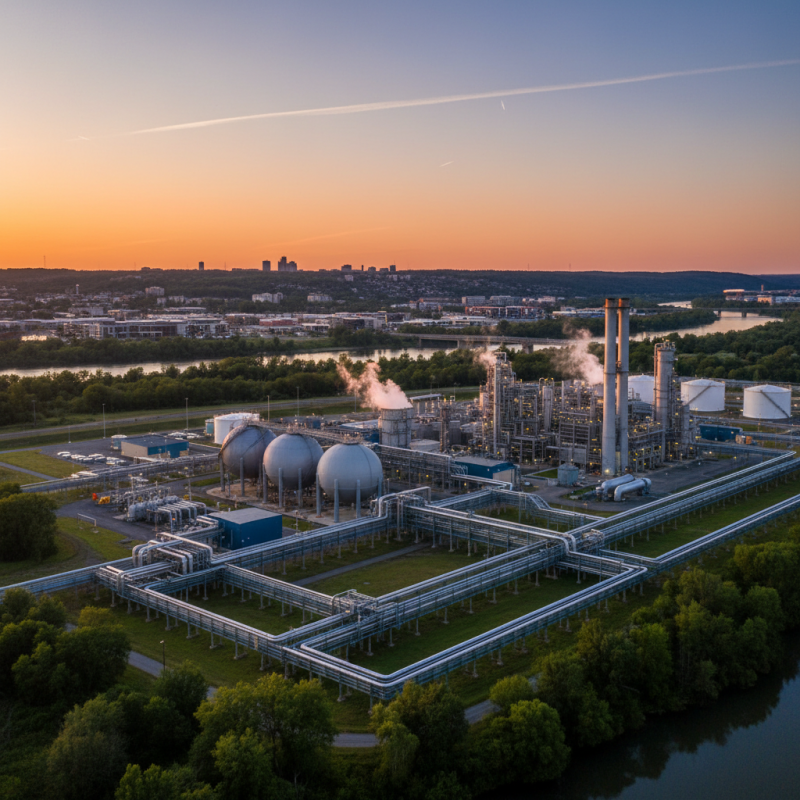
Top Natural Gas Regulatory Agencies in the United States
Natural gas plays a crucial role in the United States' energy landscape, necessitating oversight by dedicated regulatory agencies to ensure safe practices. Key among these are the Federal Energy Regulatory Commission (FERC) and the Pipeline and Hazardous Materials Safety Administration (PHMSA). FERC regulates the transmission and wholesale sale of natural gas and electricity, ensuring fair market practices while also overseeing interstate gas pipelines. Meanwhile, PHMSA focuses on the safety of transporting natural gas through pipelines, implementing regulations to minimize risks and enhance public safety.
When dealing with natural gas, it's essential for consumers and businesses to remain aware of regulatory guidelines. **Tip:** Always stay updated with safety recommendations from PHMSA, particularly regarding emergency response plans and pipeline safety measures. This knowledge equips you to act promptly in case of emergencies and ensures compliance with safety protocols.
Additionally, the state-level public utility commissions play a significant role in regulating local natural gas operations. They oversee rates, services, and infrastructure in their respective jurisdictions, contributing to efficient energy use and consumer protection. **Tip:** Engage with your local utility commission to understand your rights as a consumer and to voice any concerns regarding service provision or safety in your area. Active participation can help foster safer energy practices throughout the community.
Top Natural Gas Regulators You Should Know for Safe Energy Practices
| Regulatory Agency |
Founded |
Primary Role |
Region Covered |
| Agency A |
1970 |
Regulates natural gas prices and tariffs |
Northeast |
| Agency B |
2001 |
Ensures pipeline safety standards |
Midwest |
| Agency C |
1985 |
Manages natural gas extraction regulations |
South |
| Agency D |
1990 |
Oversees interstate natural gas commerce |
West |
| Agency E |
2005 |
Monitors environmental compliance |
National |
Key Regulations Impacting Natural Gas Safety Practices
Natural gas safety is paramount, and understanding the key regulations that govern its use is essential for ensuring effective energy practices. In many countries, agencies set stringent standards for the production, transportation, and distribution of natural gas to protect the public and the environment. These regulations often focus on infrastructure integrity, requiring regular inspections and maintenance of pipelines, storage facilities, and processing plants. Compliance with these regulations helps to prevent leaks, explosions, and other incidents that could jeopardize safety.
In addition to infrastructure requirements, regulations often mandate comprehensive safety training and public awareness programs. These initiatives aim to educate workers and community members about potential hazards associated with natural gas and the correct response measures in emergency situations. Furthermore, many regions have established reporting systems for accidents and near-misses, emphasizing the importance of transparency and accountability in fostering a culture of safety. By adhering to these regulations, stakeholders can significantly mitigate risks and promote safer energy practices in the natural gas industry.
Natural Gas Safety Regulations Overview
Role of State Public Utility Commissions in Gas Regulation
State Public Utility Commissions (PUCs) play a crucial role in regulating natural gas markets, ensuring that energy supplies are safe, reliable, and economically beneficial for consumers. These commissions are responsible for overseeing the rates and services of utilities, managing the implementation of regulations that govern natural gas infrastructure, and protecting consumer interests. According to the National Association of Regulatory Utility Commissioners (NARUC), there are over 50 PUCs in the United States, each with a unique set of responsibilities tailored to the specific needs of their regions.
The influence of PUCs extends beyond simply managing prices; they also evaluate safety protocols for transportation and distribution of natural gas. For instance, data from the Pipeline and Hazardous Materials Safety Administration (PHMSA) indicates that rigorous state regulations have led to a significant decrease in pipeline incidents, showcasing the effectiveness of PUC oversight. As of 2021, there was a reported 30% decline in serious pipeline incidents over the past decade, reflecting the commitment of these commissions to enforce stringent safety standards.
In addition, PUCs are essential in facilitating the transition to cleaner energy practices. With an increasing emphasis on environmental sustainability, many commissions are actively promoting initiatives around renewable natural gas and energy efficiency programs. Reports from the American Gas Association highlight that integrating these new practices can reduce greenhouse gas emissions significantly, positioning natural gas as a transitional energy source in the journey toward a more sustainable energy landscape.
Industry Standards for Natural Gas Safety Monitoring and Compliance
Natural gas safety monitoring and compliance are critical in ensuring safe energy practices across the industry. According to the U.S. Energy Information Administration (EIA), natural gas accounted for about 34% of the total U.S. energy consumption in 2021, highlighting the importance of robust safety regulations. Compliance with industry standards set forth by organizations such as the American Gas Association (AGA) is essential to mitigating risks associated with natural gas distribution. The AGA emphasizes the significance of maintaining updated safety protocols and encourages utilities to implement regular training for their workforce, which can lead to a decrease in accidents and improve overall system reliability.
Moreover, the Pipeline and Hazardous Materials Safety Administration (PHMSA) indicates that adherence to safety regulations can vastly reduce incidents related to pipeline transportation. In its annual report, PHMSA noted that incidents have decreased by approximately 23% over the last decade due to stringent oversight and proactive enforcement of safety measures. These statistics underline the effectiveness of comprehensive safety monitoring frameworks that include routine inspections, emergency response plans, and public awareness campaigns aimed at both industry professionals and consumers. By fostering a culture of safety and compliance, the natural gas sector can ensure sustainable practices while safeguarding communities and the environment.
Emerging Technologies in Natural Gas Regulation and Safety Management
Emerging technologies in natural gas regulation are rapidly transforming how safety management is approached in the energy sector. One significant advancement is the integration of data analytics and artificial intelligence (AI). According to a recent report from the U.S. Energy Information Administration, nearly 80% of industry leaders anticipate that AI will enhance operational efficiency and safety protocols by predicting infrastructure failures before they occur. Utilizing machine learning algorithms to analyze historical data allows regulators to identify patterns and mitigate risks associated with natural gas production and distribution.
Additionally, the use of remote sensing technologies promises to reshape the landscape of safety management in natural gas operations. Drones equipped with advanced sensors can survey pipelines for leaks or structural weaknesses, reducing the need for manual inspections and enhancing response times to potential hazards. The Pipeline and Hazardous Materials Safety Administration (PHMSA) has reported that incorporating these technologies has reduced incident rates by as much as 30% in certain regions, underscoring the efficacy of proactive management strategies. As the industry continues to embrace these innovative tools, adherence to best practices in safety and regulation will be paramount for sustainable natural gas management.