2026 Top Pressure Reducing Regulators What You Need to Know
In the realm of industrial applications, **Pressure Reducing Regulators** are crucial. These devices ensure that gases and liquids maintain a steady pressure. Without them, systems can face significant risks. Fluctuations in pressure can lead to inefficiencies and potential dangers.
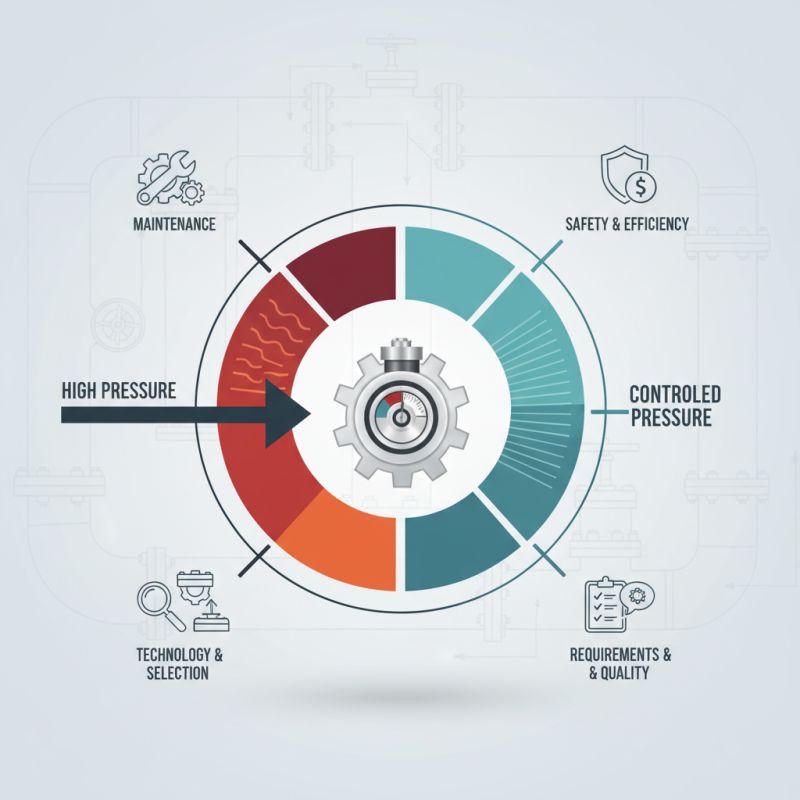
In 2026, understanding these regulators is more important than ever. New technology and designs emerge constantly. It's vital to choose the right model for your needs. A well-chosen regulator increases safety and efficiency, saving time and money. However, many overlook the importance of proper maintenance. Regular checks can reveal issues before they escalate.
Remember, not all regulators are created equal. Features vary, and performance can differ significantly. Evaluating your specific requirements is key. While it may be tempting to go for the cheapest option, remember that quality matters. Investing time in understanding **Pressure Reducing Regulators** can be the difference between success and failure in operational settings.
What Are Pressure Reducing Regulators and Their Purpose?
Pressure reducing regulators play a crucial role in various industries. They manage the pressure of gases or liquids in a system. These devices ensure that pressure remains within safe limits. When pressure is too high, it can cause damage. That damage could affect equipment or create safety hazards.
The operating principle is straightforward. A diaphragm responds to changes in pressure. It adjusts the flow of the medium, maintaining a steady output. Users often overlook these components, yet they are vital. Neglecting them can lead to inefficiencies and equipment failure. A regular check is advisable. Small leaks or malfunctions can lead to significant issues later.
Different applications utilize these regulators. From commercial kitchens to industrial machinery, they are everywhere. Understanding their purpose is essential for safety. Many people don’t realize how often they interact with pressure issues daily. It’s important to recognize their impact. Awareness can lead to better maintenance practices and improved performance.
Key Features to Consider in Pressure Reducing Regulators
When selecting a pressure reducing regulator, several key features demand attention. The material of construction is crucial. Different environments require different materials. Stainless steel may resist corrosion better. Yet, it can be heavier and more expensive. If your application is in a harsh environment, this is a major consideration. In contrast, plastic might offer lightweight options but may not withstand higher pressures.
Another important feature is the flow capacity. Regulators come with various flow rates. Ensure the chosen regulator meets your operational needs. A regulator with inadequate flow can lead to fluctuating pressure. This instability can affect system performance and safety. It’s essential to match the regulator’s specifications with the application’s demands.
Adjustability is yet another feature that deserves thought. Some regulators allow fine-tuning of pressure settings. This flexibility can facilitate adaptability in varying conditions. However, complex adjustments might confuse operators. Simplicity is sometimes more effective. Proper training and understanding of the equipment are vital. Avoiding overcomplicated designs can enhance usability. Sometimes, straightforward solutions yield the best results.
Types of Pressure Reducing Regulators Available in 2026
In 2026, understanding the types of pressure reducing regulators is essential for various applications. These devices play a critical role in managing pressure across systems. They ensure that the downstream pressure remains at a safe level. Common types include direct-operated and pilot-operated regulators.
Direct-operated regulators are often simpler and more compact. They respond quickly to pressure changes. However, their capacity may be limited. Pilot-operated regulators offer better accuracy and stability. Nevertheless, they can be more complex to install and maintain. Users need to balance efficiency with ease of use.
Another type is the electronic pressure regulator. This advanced option allows for precise control. It can automatically adjust based on feedback from sensors. While they are highly effective, they also require a robust power source. Many users may underestimate the need for regular maintenance. Failure to do so can lead to unexpected pressure fluctuations. Pressure reducing regulators are vital components in any system, but they come with challenges.
2026 Top Pressure Reducing Regulators
This chart displays the proportional adoption of different types of pressure reducing regulators in various industrial applications for the year 2026.
Applications of Pressure Reducing Regulators Across Industries
Pressure reducing regulators play a crucial role in various industries. They ensure consistent pressure levels, which is vital for optimized operations. In the manufacturing sector, these regulators maintain gas and liquid pressures, enhancing safety and efficiency. In hospitals, they regulate oxygen supply, ensuring patients receive adequate support.
In the food and beverage industry, precision is key. These regulators help control the pressure during bottling and packaging. This ensures product quality and extends shelf life. In the HVAC industry, maintaining proper pressure is essential for efficient heating and cooling. Fluctuations can lead to system inefficiencies.
Tips: Always check calibration regularly. Uneven wear can lead to inaccurate pressure readings. Also, watch for leaks. A tiny leak can waste resources and affect performance. Do not overlook maintenance schedules; they are vital for longevity. Proper upkeep will save costs in the long run.
Maintenance Tips for Optimal Performance of Pressure Regulators
Pressure regulators play a crucial role in maintaining stable pressure levels in various systems. Regular maintenance ensures their optimal performance. To start, inspect the regulator regularly for any signs of wear or leaks. Small leaks can lead to significant pressure drops, which may affect system efficiency. Pay attention to the seals and connections. These parts can deteriorate over time, leading to performance issues.
Moreover, cleaning is essential. Dust and debris can interfere with the regulator's function. Use compressed air to blow out any contaminants. This practice helps maintain clarity in pressure readings. Remember, even the slightest obstruction can lead to inaccurate pressure levels.
Lastly, keep an eye on the calibration of your regulator. Over time, they may drift from their set points. Regularly check if the output pressure aligns with expected values. If discrepancies arise, consider recalibrating or replacing the unit. It’s better to be proactive than reactive. A little maintenance goes a long way in avoiding bigger problems.