What is a UV Flatbed Printer and How Does it Work?
The UV Flatbed Printer has transformed the printing industry. With the ability to print on various substrates, it caters to diverse applications. According to the Smithers Pira report, the global market for UV printing is projected to reach $20 billion by 2025. This growth is driven by the demand for high-quality prints and fast production times.
Experts highlight the significance of UV Flatbed Printers. John Cooper, a leading figure in the field, once stated, “UV Flatbed Printers are the future of versatile printing.” These printers use ultraviolet light to cure ink as it is printed. This process allows for vibrant colors and sharp details on materials like wood, glass, and metal.
Despite their advantages, challenges remain. Not all businesses adequately understand the technology. Operators must be trained to maximize the equipment's potential. As the industry evolves, addressing these gaps is crucial. By improving knowledge and expertise, users can fully leverage the capabilities of UV Flatbed Printers.
What is a UV Flatbed Printer?
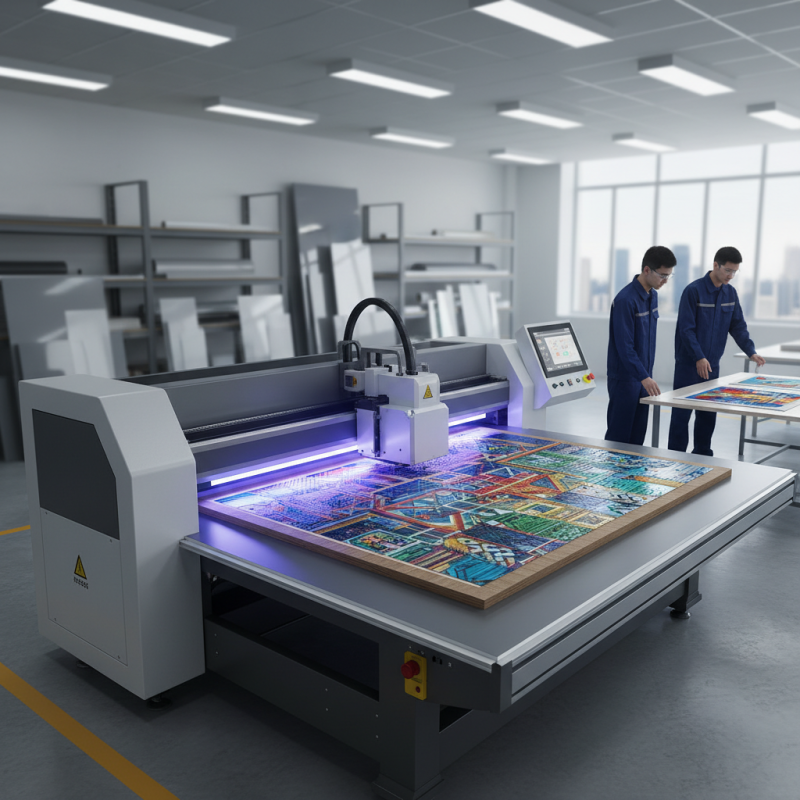
A UV flatbed printer is a versatile printing device that utilizes ultraviolet (UV) light to cure ink as it is printed. This technology allows for high-quality, durable prints on various materials. Unlike traditional printers, UV flatbed machines can print on rigid surfaces, including wood, glass, metal, and plastic. They offer a unique advantage in the printing industry due to their ability to produce vivid colors and intricate details.
By employing UV light, these printers instantly dry the ink, eliminating the need for long drying times. This feature increases production efficiency and reduces the chances of smudging or damage. However, despite their advanced technology, users must be diligent in maintenance. Regular cleaning and calibration are required to ensure print quality remains consistent. Dust and debris can easily affect the output, leading to uneven colors or print flaws.
Operating a UV flatbed printer also demands an understanding of the materials being printed on. Each substrate requires specific settings for optimal results. Incorrect adjustments can lead to issues such as poor adhesion or color discrepancies. Users should experiment and document their settings as part of the learning process, which can be challenging and requires patience.
What is a UV Flatbed Printer and How Does it Work? | Feature | Description |
| Printing Technology | UV Flatbed printers utilize ultraviolet light to cure or dry the ink as it is printed. |
| Print Head | Equipped with multiple print heads that can produce high-resolution images on a variety of materials. |
| Print Surface | Can print on rigid materials such as wood, glass, metal, and acrylic. |
| Applications | Commonly used for signage, décor, packaging, promotional products, and custom prints. |
| Environmental Impact | Typically more environmentally friendly due to low VOC emissions from UV inks. |
| Speed | Offers high-speed printing capabilities, making it suitable for both small and large production runs. |
| Cost | Initial setup costs can be high, but operational costs are lower compared to traditional printing methods. |
Key Components of UV Flatbed Printers
UV flatbed printers are gaining traction in various industries, known for their versatility and efficiency. A key component of these printers is the UV curing system. This system uses ultraviolet light to instantly dry or cure the ink as it is applied to a substrate. Reports show that this technology can enhance production speed by up to 50%, allowing for quicker turnaround times.
Another vital aspect of UV flatbed printers is their printhead technology. Modern printers utilize piezoelectric printheads, which offer high precision and controllability. This enables the printing of intricate designs on various materials, including wood, glass, and metal. A study from the Industry Printing Association notes that 72% of companies using UV printing report improved print quality, reflecting the technology's capability.
Tips: Regular maintenance is essential for optimal performance. Clean the printhead after heavy use to prevent clogs. Also, try out different substrates to discover unique printing effects that could enhance your projects. Testing is crucial; not every material yields the same quality.
How UV Flatbed Printers Work: The Printing Process
UV flatbed printers are vital in today’s printing industry. They utilize ultraviolet light to cure ink instantly onto various materials. This unique process allows for printing on rigid surfaces like wood, metal, or glass. The versatility of substrates is a standout feature. Reports indicate that the global UV flatbed printer market is projected to grow by 7.1% CAGR, reaching significant revenue by 2026.
The printing process begins with the printer loading the chosen substrate onto the flatbed. As the print head moves, UV ink is deposited precisely onto the material. The ink then gets exposed to UV light to cure it. This prevents ink spread, ensuring sharp images and text. One study highlighted that this technology can achieve resolutions up to 1440 dpi, enabling stunning graphics. However, curing times can vary based on the ink and material.
Despite these advancements, challenges exist. Users may face issues like adhesion problems and limited ink choices for specific substrates. Moreover, the initial equipment costs can be high, potentially deterring smaller businesses. Balancing quality with affordability is critical for many in the industry. Understanding these factors will help businesses make informed decisions about utilizing UV flatbed printers.
UV Flatbed Printer Usage by Industry
Advantages of Using UV Flatbed Printers
UV flatbed printers offer unique advantages for various printing applications. Their capability to print on diverse surfaces, including wood, glass, and metal, sets them apart. This versatility allows businesses to explore creative designs and expand their product offerings. The use of UV-curable inks ensures vibrant colors and sharp details. Moreover, these inks bond instantly to substrates, reducing production time.
One notable feature of UV flatbed printers is their environmentally friendly nature. They emit fewer volatile organic compounds (VOCs) compared to traditional printers. This aspect appeals to eco-conscious businesses. However, not every project may benefit from UV printing. The initial investment can be significant. Additionally, some materials may not react well with UV inks. Careful consideration is necessary to determine if this technology meets specific needs.
Another advantage is the durability of prints made with UV inks. These prints resist scratching and fading, making them ideal for long-lasting applications. Customers appreciate this longevity in products like signage and promotional materials. Yet, the technology is evolving, and challenges remain. Printheads can clog if not maintained properly, and color calibration may be tricky. It's crucial to develop a routine for upkeep to achieve the best results.
Common Applications of UV Flatbed Printing
UV flatbed printing has transformed various industries with its versatility and efficiency. This technology is commonly used in sectors like advertising, packaging, and interior design. A report by Smithers Pira indicated that the global market for UV printing is expected to reach $12.5 billion by 2025. This shows a growing interest in UV flatbed printers due in part to their ability to produce high-quality prints on diverse materials.
One notable application is in promotional signage. Brands increasingly rely on visually striking displays. UV flatbed printers allow for customization on materials like wood, glass, and metal. This opens up creative possibilities that standard printing techniques cannot achieve. For example, a study from Allied Market Research highlights that signs produced with UV technology last longer and resist fading, catering to outdoor uses.
Another significant application lies in packaging. Custom packaging is rapidly gaining traction among businesses. Reports suggest that the demand for printed packaging is steadily rising, making UV flatbed printers essential in this field. These printers provide an effective solution for short runs and complex designs. However, the initial investment in UV technology can be a barrier for smaller companies. The balance of cost versus benefit is worth considering as businesses evaluate their printing strategies.