What is a Wifi Smart Switch and How Does it Work?
In recent years, the concept of a Wifi Smart Switch has gained significant traction. This technology allows users to control their lighting and appliances remotely. Dr. Emily Carter, a leading expert in smart home technology, states, “Wifi Smart Switches are transforming how we manage our homes.”
These devices are designed to integrate seamlessly into existing electrical systems. A Wifi Smart Switch connects to your home network, giving you remote access via a smartphone app. You can easily schedule lights to turn on or off. Yet, this technology is not without its challenges. The setup process can be intimidating for non-tech-savvy individuals.
Some users report glitches and connectivity issues, reflecting the need for improvement. Despite these hiccups, the convenience they offer is undeniable. From energy savings to enhanced security, the benefits are compelling. A Wifi Smart Switch can provide a new level of control in everyday life. However, users should remain aware of potential concerns with data privacy and security.
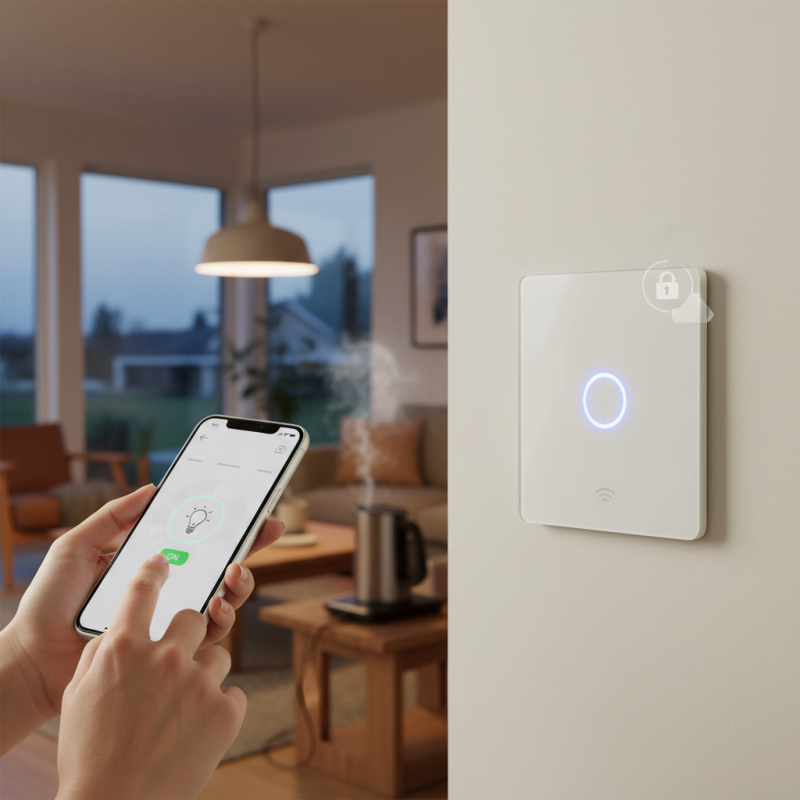
What is a Wifi Smart Switch? Definition and Overview
A Wifi Smart Switch is a device that allows remote control of electrical appliances through a smartphone or smart home system. It operates via a wireless internet connection, making it a crucial component in smart homes. According to a 2022 report by MarketsandMarkets, the global smart switch market is projected to reach USD 15.3 billion by 2025. This growth reflects an increasing demand for home automation and energy-efficient devices.
These switches enable users to turn lights and appliances on or off from anywhere. This is particularly helpful for reducing energy consumption. For example, a study from the International Energy Agency noted that smart devices can lead to energy savings of up to 30%. However, the complexity of installation can frustrate some users. Not everyone is tech-savvy, and some find the setup process daunting.
Privacy concerns also exist. Many users worry about potential hacking of their smart devices. A report from Cybersecurity Ventures estimates that cybercrime could cost the world $10.5 trillion annually by 2025. It’s essential to approach Wifi Smart Switches with caution. Ensuring proper security measures can help alleviate these fears.
Key Features of Wifi Smart Switches: Connectivity and Control
Wifi smart switches have gained popularity due to their convenience and control. They enable users to manage lighting and appliances remotely. According to a 2023 market report, the global smart switch market is projected to grow by 30% annually. This growth reflects the rising trend toward smart homes and energy efficiency.
One key feature of Wifi smart switches is their connectivity. Users can connect these devices to their home network easily. Control can be achieved through mobile apps or voice assistants. This connectivity allows for real-time monitoring of energy usage, contributing to efficient home management. A study found that homes using smart switches can reduce energy consumption by up to 20%.
However, there are some challenges with Wifi smart switches. Users often face connectivity issues, especially with older routers. Sometimes, the setup process can be frustrating. Additionally, privacy concerns exist, as these devices collect data on usage patterns. It's crucial for users to weigh the benefits against these potential drawbacks.
Key Features of Wifi Smart Switches
How Wifi Smart Switches Operate: Technology Behind the Functionality
Wifi smart switches are innovative devices that help control home lighting. They utilize wireless technology to allow users to manage their lights remotely. The main operating principle revolves around a communication protocol. This protocol connects the switch to the home Wi-Fi network.
When you tap your smartphone or voice assistant, it sends a signal. This signal reaches the switch, which then acts accordingly. The switch either turns the lights on or off. Some switches also allow dimming and schedules. This flexibility is appealing, but technical issues can arise. For instance, the connection might drop unexpectedly, causing frustration.
Internally, smart switches contain microcontrollers and relays. These components are crucial for their functioning. The microcontroller processes input signals, while the relay controls the power to the light fixture. Even with this sophisticated setup, users may experience delays in response times. Such imperfections remind us technology isn't always perfect.
Advantages of Using Wifi Smart Switches in Smart Homes
Wifi smart switches are convenient devices for modern homes. They allow you to control your lights and appliances remotely. With these switches, users can turn devices on or off from anywhere using a smartphone. This adds a layer of comfort and energy efficiency.
One major advantage of Wifi smart switches is automation. You can schedule when your lights turn on or off. Imagine coming home to a well-lit living space every evening. This not only enhances security but also saves energy. The customization options are helpful. However, they can become complicated for some users. The initial setup may require technical knowledge.
Tips for using Wifi smart switches effectively: Always secure your network. Change default passwords to keep your devices safe. Additionally, consider the placement of your switches. Ensure they are accessible for easy use. Keep in mind that connecting too many devices can slow down your network speed. Balancing functionality and performance is essential.
What is a Wifi Smart Switch and How Does it Work? - Advantages of Using Wifi Smart Switches in Smart Homes
| Feature | Description |
| Remote Control | Control your home appliances from anywhere using a smartphone app. |
| Voice Control | Integration with voice assistants like Amazon Alexa and Google Assistant. |
| Scheduling | Set timers and schedules for automation of devices, enhancing energy efficiency. |
| Energy Monitoring | Track energy usage to identify savings opportunities for home appliances. |
| Easy Installation | Simple setup process, often requiring no additional hardware beyond existing Wi-Fi. |
| Compatibility | Works with a variety of smart home ecosystems and devices. |
| User-Friendly Interface | Intuitive mobile applications provide ease of use for all ages. |
Market Trends: The Growth of Smart Switch Adoption and Consumer Data
The adoption of WiFi smart switches is on the rise. Many households are upgrading their lighting systems. These devices offer convenience and flexibility. With smart switches, you can control your lights from anywhere. This is appealing to tech-savvy consumers.
Recent data shows a significant growth in the smart switch market. Consumers are drawn to their functionalities and ease of use. However, some find the installation process challenging. Often, users need specific technical skills. Plus, compatibility with existing systems can be an issue.
Education is crucial in this transition. Many consumers are still unaware of this technology. Awareness campaigns could bridge this gap. As interest grows, so do opportunities for innovation. The market is evolving, but some consumers remain hesitant. They want solutions that are user-friendly and effective.