10 Wrist Watch Buying Tips for Global Buyers
A global watch purchase can look simple until prices, specifications, and after-sales support vary between markets. A Wrist Watch may cross borders before reaching your wrist, so the listed price is only part of the decision. Shipping, taxes, warranty coverage, and service access can change its real value. Small details matter. The Federation of the Swiss Watch Industry reported Swiss watch exports worth CHF 25.99 billion in 2024, down 2.8% from 2023. It also recorded a 9.4% fall in exported watch volumes. These figures describe Swiss exports, not the entire global market, but they show why buyers should compare more than brand names.
Industry research adds useful context. Deloitte’s Swiss Watch Industry Study 2024 examines changing consumer preferences and the industry’s response to digital channels and pre-owned watches. A report cannot tell you whether a case feels comfortable on your wrist. Nor can a product photo reveal how a clasp behaves after a full day. That takes careful checking, and sometimes a second look. This guide turns those checks into ten practical buying tips, from movement type and materials to seller reputation, authenticity documentation, fit, and servicing. It also asks buyers to compare return terms and warranty details before paying. There is no perfect checklist; personal taste still counts, and specifications can be confusing. That is worth admitting. The goal is not to make every purchase risk-free, but to help global buyers ask sharper questions and choose with fewer surprises.
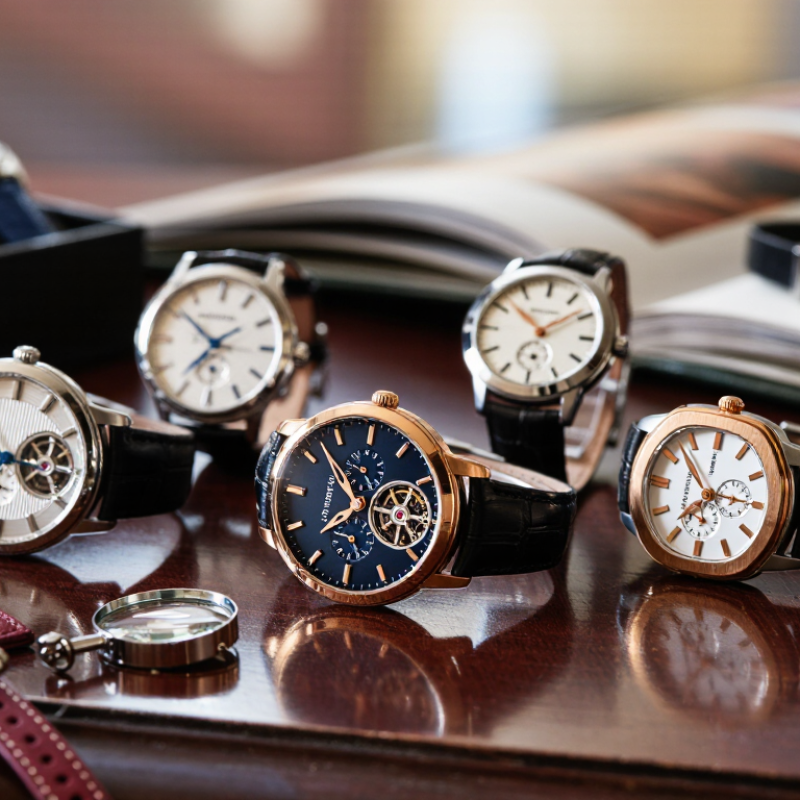
Identify Your Needs, Budget, and Intended Use
Before comparing watches, define where and how often you will wear one. A desk job, frequent travel, and outdoor exercise create different needs. Note whether you want a clear date display, a quiet movement, or timing functions you will actually use. Keep it simple. If you rarely swim, water resistance may matter less than a comfortable strap and an easy-to-read dial.
Set a budget that includes more than the purchase price. A replacement strap, battery changes, or routine servicing can add costs over time. For travel, consider whether the watch is easy to adjust and whether its display suits bright sunlight. Try it on for several minutes; a case that feels light in a shop may catch on a shirt cuff later. That detail matters. I have sometimes focused too much on specifications and overlooked comfort. Your priorities may change, too, so leave room for honest doubt. A short list of must-haves and nice-to-haves can keep the decision grounded without pretending one watch suits every situation.
Compare Watch Movements and Essential Features
When comparing watch movements, match the mechanism to your routine, not just the dial. Quartz watches use a battery and usually need less daily attention. Mechanical watches run through springs and gears; automatic models wind as your wrist moves, while hand-wound models need regular winding. Listen closely. A faint ticking sound may be normal, but it tells you little about accuracy. Ask about servicing intervals and local repair access before buying. I have seen buyers focus on a sweeping seconds hand, then regret the upkeep.
Check the evidence behind accuracy claims. COSC’s published chronometer criteria allow a mechanical movement an average daily rate between −4 and +6 seconds under test conditions. METAS’s Master Chronometer protocol tests precision within 0 to +5 seconds per day and magnetic resistance up to 15,000 gauss. These are certification results, not guarantees that every watch performs identically on your wrist. Consider power reserve, water resistance, legibility, and whether the crown feels easy to use. Small details matter. A long power reserve helps if you rotate watches, but it does not replace a clear service history. I still think movement choice is partly emotional—and that makes comparison less tidy than a specification sheet suggests.
Lower deviation generally means better timekeeping. Mechanical watches commonly vary by about 10–30 seconds per day; this chart uses 20 seconds as an illustrative midpoint. Many quartz watches are rated around ±15 seconds per month, equivalent to roughly 0.5 seconds per day. Actual performance depends on the specific movement and conditions. When buying, also compare water resistance, crystal material, case size, warranty, and local service availability.
Choose Case Materials, Size, and Design
A watch case meets your skin all day, so material is more than a style choice. Stainless steel feels substantial and handles everyday knocks, while titanium is lighter on the wrist. Ceramic resists many surface scratches but can crack after a hard impact. Plated finishes may wear first around sharp edges. Small details matter.
Fit is not just diameter. Measure your wrist, then compare the case’s lug-to-lug length with its width; long lugs can overhang a narrow wrist. Check the watch from the side, too. A thick case may catch on a shirt cuff, even when its diameter looks right. Try it on if possible. Comfort changes after an hour.
Design should suit the places you actually go: a clear dial helps in dim rooms, while polished surfaces show fingerprints quickly. Deloitte’s 2023 Swiss Watch Industry Study surveyed 6,000 consumers across 12 markets, underscoring how varied buyer preferences can be. The Federation of the Swiss Watch Industry reported CHF 26.7 billion in watch exports in 2023, but market scale cannot tell you which case fits your wrist. I would not choose by numbers alone. A spec sheet can mislead.
Check Authenticity, Seller Reputation, and Warranty
Tip: Check authenticity before comparing styles. Ask for clear photos of the dial, case back, clasp, and serial markings. Compare these details with official documentation, not just the seller’s description. For a pre-owned watch, request dated service records and inspect signs of replaced parts. A polished case can hide wear. Photos help, but they cannot prove everything.
Tip: Research the seller, not only the listing. Read recent reviews on independent platforms, looking for specific comments about delivery, returns, and after-sale support. Confirm the business address and ask questions by email before paying. Pause if answers are vague. A polished product page can still be mistaken for proof; I would look for details beyond appearances.
Tip: Get warranty terms in writing. Check who provides coverage, how long it lasts, and whether overseas repairs require shipping at your cost. Ask what the warranty excludes, such as accidental damage or routine wear. Keep the invoice, listing, and messages together. If anything remains unclear, ask again. It may feel overly cautious, but cross-border claims can take time.