Choosing the best electronic pressure regulator for 2026 is not simply a matter of comparing catalog ranges. The right unit must hold a stable outlet pressure as demand changes, respond predictably to its control signal, and fit the gas, flow rate, and operating conditions in your system. A small pressure drift can affect a test bench, a coating line, or a pneumatic tool. The visible display may look reassuring, but it cannot replace verified performance data.
This guide compares key selection factors, including control accuracy, response time, pressure range, connection options, and integration with existing equipment. It also considers practical details: available supply pressure, installation space, calibration needs, and the consequences of a sudden change in demand. Some specifications are measured under ideal conditions. Real installations are messier, and that matters. Because no source material or verifiable expert quotation was provided, I will not invent a named expert or attribute a quote to one. Instead, the recommendations should be checked against manufacturer documentation and application-specific testing. The best choice is the regulator that meets your actual process requirements—not simply the one with the most impressive feature list.
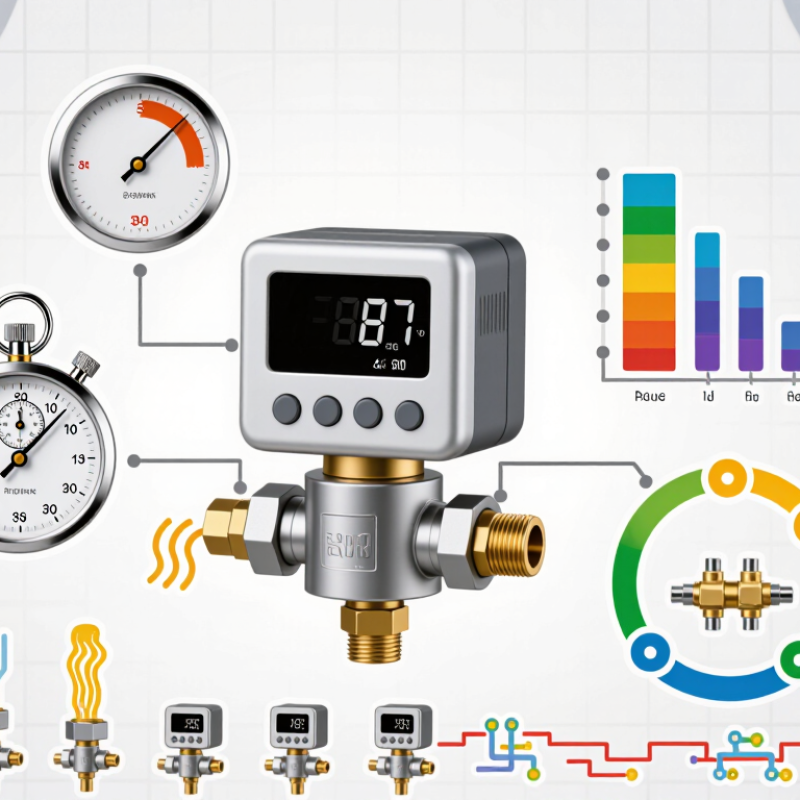
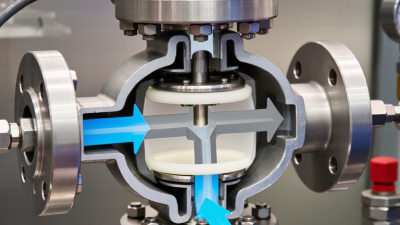
An electronic pressure regulator uses a control signal to maintain a chosen pressure downstream. A sensor measures outlet pressure and sends feedback to an electronic controller. The controller compares that reading with the setpoint, then adjusts a valve to admit or release air. Think of a small valve responding as a machine cycles: pressure dips, the valve opens; pressure rises, it trims the flow. That is the basic loop. Unlike a fixed mechanical regulator, an electronic unit can accept changing setpoints and support remote control. It still needs an adequate supply and correct sizing. It cannot create pressure from nothing.
The U.S. Department of Energy’s Improving Compressed Air System Performance sourcebook estimates that leaks can waste 20–30% of compressor output. That figure describes system leakage, not regulator accuracy, but it shows why pressure control belongs in a wider air audit. A regulator may hold its setpoint while leaks keep the compressor working harder. Not a cure-all. When selecting one, check pressure range, flow capacity, response time, sensor accuracy, and the effects of downstream volume. I would also verify performance under real cycling conditions; a clean bench test can miss what happens on a busy line.
An electronic pressure regulator uses a pressure sensor, electronic controller, and actuated valve to adjust outlet pressure toward a setpoint. This illustrative response shows a setpoint changing from 2 to 4 bar; actual response depends on the regulator, supply, and system conditions.
The best electronic pressure regulator depends on the process, not a headline specification. Compare its control range with the pressure and flow your system actually needs. A unit that performs well at steady flow may respond differently when a valve opens nearby. Match the regulator’s pressure rating, flow capacity, and wetted materials to the application.
Check accuracy, repeatability, and response time under realistic conditions. Accuracy describes how close the output is to the target; repeatability shows whether it returns to that value across repeated cycles. Look for test conditions in the technical documentation, since figures without context can mislead. Repeatability matters. A useful evaluation includes pressure readings at several setpoints, plus changes in supply pressure and downstream demand.
Consider signal options, adjustment range, electrical connections, and the effort required for calibration. A clear display can help during setup, but it does not replace a calibrated reference gauge. Ask how the regulator handles startup, power loss, and an unstable input signal. Small details count. In practice, installation layout can affect performance more than expected, and I would not judge a regulator from a single bench reading. Compare measured results with the process requirements, then weigh maintenance needs and operating cost alongside the published specifications.
How Regulator Designs Match Different Applications
The best design depends on the job, not a headline specification. A compact proportional regulator can suit a test fixture that needs quick pressure changes and frequent setpoint adjustments. For a filling line, stable control across a changing flow may matter more than the fastest response. Check both the required pressure range and the flow rate; a regulator can meet one and struggle with the other.
Closed-loop models use feedback from a pressure sensor to correct deviations. They can help in systems where inlet pressure shifts or small pressure errors affect a process. Direct-acting designs are often simpler and may fit applications with steady supply conditions and less demanding accuracy needs. Consider the gas or liquid, too. Seal compatibility, moisture, and particles can affect reliability. Small details matter.
Installation conditions should shape the choice as much as the control method. A regulator near a vibrating pump may need a different mounting approach than one on a quiet laboratory bench. Confirm electrical signals, fitting sizes, operating temperature, and safe pressure limits. A tidy datasheet can still leave out real-world behavior. Ask how the unit performs during startup, rapid demand changes, and sensor faults. That question is easy to miss.
The best electronic pressure regulator for 2026 is not simply the one with the tightest advertised tolerance. Evaluate it against the process: required pressure range, gas or fluid, flow demand, temperature, and consequences of a pressure swing. On a test bench, compare commanded pressure with a calibrated reference at low, typical, and peak flow. Record settling time and pressure variation. Small details matter.
The U.S. Department of Energy’s Improving Compressed Air System Performance: A Sourcebook for Industry reports that leaks can waste 20–30% of compressor output in poorly maintained systems. That is a system-wide figure, not a saving attributable to one regulator. Still, it makes leak detection and stable downstream control relevant evaluation criteria. The sourcebook also advises limiting distribution pressure drop to less than 10% of compressor discharge pressure. Check the regulator’s inlet pressure and flow capacity under real operating conditions, not just at a catalog’s ideal test point.
Ask for test conditions behind accuracy and repeatability claims. Check whether performance changes across the stated flow range, and whether the unit recovers cleanly after a sudden demand change. Review sensor resolution, electrical connections, environmental protection, maintenance needs, and safe behavior after power loss. I would not rank models from specifications alone; published figures may hide different test methods. A short, logged trial on the actual line is more convincing.
For 2026, the best electronic pressure regulator is the one that holds stable pressure at your actual flow—not merely the one with the most features. Match its inlet and outlet ranges, flow capacity, accuracy, response time, and wetted materials to the application. A regulator that is undersized may struggle when several tools draw air at once. Small details matter. The U.S. Department of Energy’s Improving Compressed Air System Performance sourcebook estimates that leaks can waste 20–30% of compressor output. That figure describes system leakage, not savings a regulator can deliver; the distinction matters when evaluating performance.
Install the regulator near its point of use, with clean, dry air and enough clearance to read the display and reach fittings. Follow the flow-direction marking, secure the tubing, and keep wiring away from vibration or heat where practical. Set pressure while the downstream equipment is operating, then compare the display with a calibrated gauge. Verify it under load. During maintenance, inspect filters and connections, check for drift, and record readings against a baseline. Set inspection intervals according to duty cycle and air quality. One imperfect habit is trusting a steady display too quickly; a sensor can look convincing while a loose fitting quietly wastes air.
| Decision Area | What to Check | Selection or Installation Guidance | Maintenance and Verification |
|---|---|---|---|
| Application and medium | Gas or liquid, operating temperature, cleanliness, and material compatibility. | Confirm that the regulator is designed for the actual medium. Many electronic pressure regulators are intended for compressed gas; do not assume liquid compatibility. | Inspect for contamination, corrosion, leaks, and signs of material degradation. Follow the specified media-quality requirements. |
| Pressure range | Minimum and maximum inlet pressure, required outlet range, and allowable pressure variation. | Keep normal operating pressures within the regulator’s specified limits. Check that the available inlet pressure can support the required outlet pressure and flow. | Verify inlet and outlet readings with suitable gauges or calibrated instruments during commissioning and periodic checks. |
| Flow capacity | Required flow, inlet-to-outlet pressure difference, and expected changes in demand. | Size the unit using the manufacturer’s flow data at the intended operating conditions. A pressure range alone does not establish that a regulator can deliver the required flow. | Check for pressure droop or unstable output under the real load, not only at no-flow conditions. |
| Control and feedback | Command signal, feedback method, controller compatibility, and desired response behavior. | Match the regulator’s electrical input and feedback interface to the control system. Check signal ranges, wiring, grounding, and any configuration requirements in the product documentation. | Confirm the commanded setpoint and measured pressure agree within the specified tolerance. Investigate signal faults before changing pressure settings. |
| Accuracy and response | Required pressure stability, repeatability, response time, and process sensitivity. | Compare published performance under conditions similar to the application. Accuracy, response, and stability are model- and setup-dependent; avoid relying on a single headline specification. | Test setpoint changes and load disturbances safely. Record the results and compare them with the application’s acceptance limits. |
| Connections and installation | Port size and thread standard, flow direction, mounting position, and available service access. | Follow the marked flow direction and specified connection procedure. Use compatible fittings and sealants, keep piping clean, and provide appropriate filtration when required. | Inspect fittings and tubing for leaks, vibration, and mechanical strain. Isolate and depressurize the system before servicing. |
| Electrical and environment | Supply voltage, power demand, connector type, enclosure protection, and ambient conditions. | Check electrical ratings and environmental limits in the documentation. Protect the device from moisture, excessive heat, vibration, and electrical interference as applicable. | Inspect cables and connectors for damage or looseness. Disconnect power before electrical work and follow site safety procedures. |
| Fail behavior and safety | System response to power loss, signal loss, sensor fault, or regulator malfunction. | Determine whether the application needs a separate shutoff valve, relief device, or other protective measure. An electronic regulator should not be treated as a substitute for required overpressure protection. | Test safety devices and fault responses according to the system’s documented maintenance and risk-control procedures. |
| Commissioning checklist | Correct model, clean installation, compatible connections, and verified electrical supply. | Install per the product instructions; check for leaks; apply power; configure the control input; then test pressure and flow gradually within rated limits. | Document the configuration, test conditions, measured performance, and inspection interval. Use the manufacturer’s instructions for calibration or service. |
| Selection note: There is no single best electronic pressure regulator for every application. Confirm pressure, flow, media compatibility, electrical requirements, and safety provisions against the specific product documentation and system design. | |||