What Is a Hydraulic Flow Control Valve and How Does It Work?
A hydraulic flow control valve regulates how quickly fluid moves through a hydraulic circuit. That flow rate affects actuator speed: a cylinder may extend steadily, or a motor may turn more slowly. The valve does not create hydraulic power. Instead, it meters flow, helping equipment perform at a controlled pace.
Fluid-power author Anthony Esposito’s teaching supports this practical takeaway, paraphrased here: “Control the flow, and you control actuator speed—though the load still shapes system pressure.” This distinction matters. Pressure and flow are related, but they do different jobs. A flow control valve sets the amount of fluid passing through a passage; the force needed to move a load depends largely on pressure. Real systems can be less tidy than diagrams suggest.
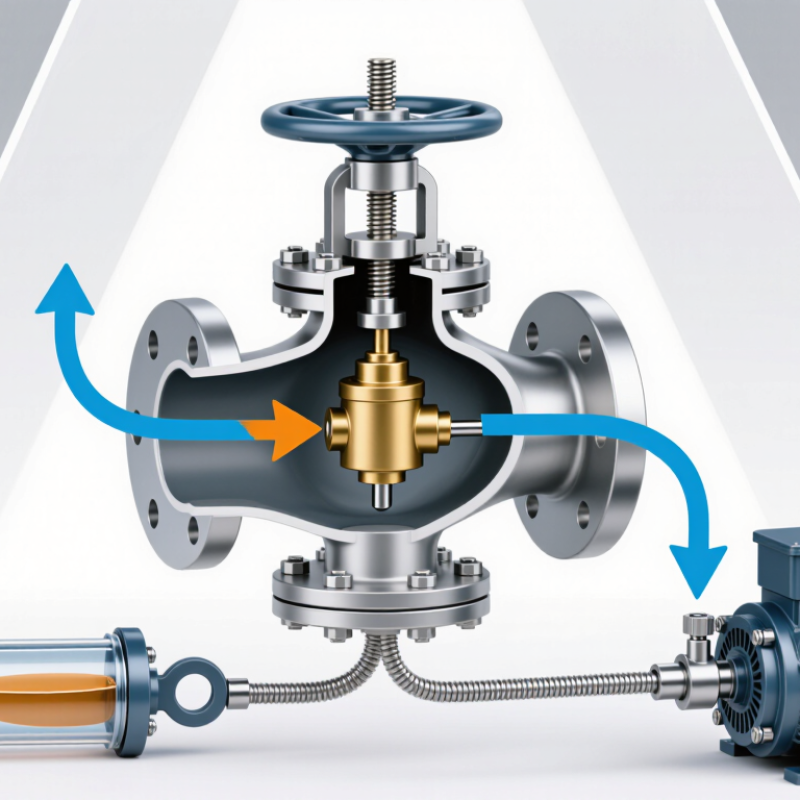
Inside the valve, a spool, needle, or compensating element changes the opening available to the fluid. Picture oil passing through a narrow adjustable gap. Turning the adjustment changes the opening, which changes flow and usually changes actuator speed. Some valves maintain a more consistent flow when load pressure shifts. Others are simpler and may allow speed to vary with load. That difference can affect precision, heat, and energy use.
Understanding valve types, flow paths, and installation direction makes troubleshooting more grounded. A cylinder that moves unevenly may point to more than a faulty valve; contamination, leakage, or changing load can also matter. Small details count. This guide explains what a hydraulic flow control valve does, how its operating principles work, and what to check when real equipment behaves differently from expectation.
Definition and Purpose of a Hydraulic Flow Control Valve
A hydraulic flow control valve regulates how much oil passes through a circuit during a given time. By metering flow, it helps set the speed of a cylinder or hydraulic motor. For example, a valve can slow a lifting cylinder so a load rises steadily instead of jolting. That is its job. It controls movement speed, while system pressure and the load largely determine the force available.
Many valves create a controlled restriction, often with an adjustable opening. Turning an adjustment changes the opening and therefore the flow rate. Some designs compensate for pressure changes, helping maintain steadier actuator speed as the load varies. Small changes matter. In practice, the result also depends on oil temperature, pump output, and circuit layout. A setting that works with a warm machine may feel different during a cold start. Flow control is not a cure for every uneven motion; contamination, air, or a worn component may be responsible instead. A technician should check the circuit conditions before treating the valve adjustment as the answer.
Main Components and Their Functions
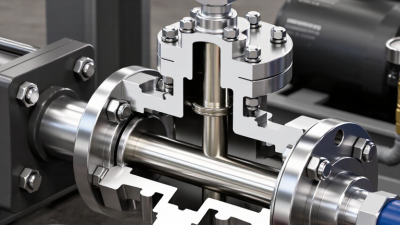
A hydraulic flow control valve regulates how quickly oil moves through a circuit. Its body contains inlet and outlet passages, while a metering element narrows or widens the flow path. In an adjustable valve, a hand knob or screw moves a tapered needle or spool. Turn it inward, and the opening becomes smaller. Less oil passes each second. A locknut can hold the setting against vibration.
Small parts matter. A spring may return the spool or balance hydraulic force. Some valves also include a pressure compensator, which helps keep flow steadier when load pressure changes. Not every design has one. A built-in check valve, where fitted, may allow freer flow in the reverse direction. The details depend on the valve’s construction.
Oil enters the valve and encounters the adjusted opening. The restriction creates a pressure drop, and that drop affects flow rate. In a simple valve, changing load pressure or oil temperature can change the actual flow; the knob is not a precise guarantee. Pressure-compensated models reduce this variation, but they still have operating limits. Measure flow under working conditions. A setting that works on a cool test bench may behave differently after the system warms up. That’s easy to miss.
How the Valve Regulates Hydraulic Fluid Flow
A hydraulic flow-control valve meters oil to an actuator, setting how quickly a cylinder extends or a motor turns. A needle or spool narrows the opening; at a steady pressure difference, a smaller opening generally means lower flow. Simple, but load changes can alter that pressure difference and shift the flow. A pressure-compensated valve adjusts its metering area to keep flow closer to the set value. It is not perfectly constant.
The U.S. Department of Energy’s 2006 Improving Pumping System Performance sourcebook reports that pumping systems use nearly 20% of global electricity, and 25–50% of energy in some industrial facilities. These figures cover pumping systems broadly, not losses from a specific hydraulic valve. Still, they make efficient fluid handling worth checking. In a machine, throttling excess flow converts pressure energy into heat. A flow meter and pressure gauges can help identify this: compare flow and pressure before and after adjustment, then check oil temperature during a normal work cycle. A valve set too low may slow the cylinder; set too high, it can waste energy and heat the oil. Small readings matter.
Common Types of Hydraulic Flow Control Valves
What Is a Hydraulic Flow Control Valve and How Does It Work?
Common Types of Hydraulic Flow Control Valves
Hydraulic flow control valves regulate oil flow, which affects actuator speed. A fixed-orifice valve uses a preset opening. It is simple, but flow changes when pressure or oil temperature shifts. An adjustable needle valve lets operators tune the opening by hand. A pressure-compensated valve maintains more consistent flow as pressure varies. A flow divider splits incoming flow between branches, helping two cylinders move together. Not perfectly, though: load differences can still cause uneven motion.
Valve choice affects energy use. The U.S. Department of Energy’s Improving Pumping System Performance sourcebook reports that optimizing pumping systems can reduce energy use by 20–50%. That range applies to the whole system, not to a flow valve alone. Excessive throttling can turn useful hydraulic power into heat. Check actuator speed under load, and inspect the oil temperature after adjustment.
Tips: For one-way speed control, use a check valve alongside the restriction. It allows freer flow in the reverse direction. Recheck settings after warm-up; cold oil can make a valve appear more precise than it is.
What Is a Hydraulic Flow Control Valve and How Does It Work?
Common types include fixed-orifice, adjustable throttle, pressure-compensated, and one-way flow control valves. The chart compares the typical flow behavior of a fixed orifice and a pressure-compensated valve as the pressure drop across the metering section changes.
How to read it: With a fixed opening, flow rises as pressure drop increases. The plotted values follow the orifice relationship Q ∝ √ΔP, assuming constant fluid properties and valve opening. A pressure-compensated valve is shown holding 10 L/min once the pressure drop reaches its assumed 5 bar compensation threshold. Actual performance depends on valve design, fluid, and operating conditions.
Factors Affecting Valve Selection and Performance
A hydraulic flow control valve regulates the rate of oil moving through a circuit, which helps set actuator speed. Selection starts with the required flow range and operating pressure. A valve sized too small can restrict flow and generate heat; an oversized valve may make low-speed adjustment difficult. Check the pressure drop across the valve at the expected flow, not just its maximum rating. Pressure-compensated designs can hold flow steadier as load pressure changes, but they still need suitable operating conditions.
Fluid and installation conditions matter just as much. Oil viscosity changes with temperature, so a valve tested with warm oil may respond differently during a cold start. Contamination can make a small metering opening behave unpredictably. Clean filtration helps. Consider whether the application needs one-way control, adjustable flow, or fine speed adjustment in both directions. Hose length, fittings, and nearby bends can also affect pressure and response. In practice, a circuit rarely matches a catalog example perfectly. Measure actuator speed under real load, then adjust the setting gradually. It is easy to overlook heat buildup during repeated cycles, especially when the machine runs quietly.